
Have you ever wanted to fly a plane, but felt nervous about speed and control? Slow flying indoor RC planes are perfect for you.
These planes move gently through the air, giving you full control and plenty of time to enjoy every moment. Whether you’re a beginner or just looking for a relaxing hobby, slow flying RC planes make flying fun and stress-free. Keep reading to discover how you can start flying your own indoor RC plane with ease and confidence.

Credit: www.youtube.com
Benefits Of Slow Flying Rc Planes
Slow flying indoor RC planes offer many advantages. They are easy to control and provide a smooth flying experience. These planes move gently through the air, making them perfect for small spaces. Pilots can enjoy longer flights without much effort. The design of slow flying planes focuses on stability and balance.
These features make slow flying RC planes a great choice for hobbyists of all levels. They allow pilots to learn and practice skills safely. The calm flight speed reduces crashes and damage. This helps build confidence and improves flying techniques.
Enhanced Control And Stability
Slow flying planes respond well to small movements of the controls. This makes it easier to steer and adjust their flight path. The stable design keeps the plane steady in the air. Wind or sudden movements have less impact on these planes. Pilots can focus on smooth flying without constant corrections.
Ideal For Beginners
Beginners find slow flying planes less stressful to fly. The low speed reduces the chance of crashes. It allows new pilots to learn how to handle the controls. They can practice takeoffs, turns, and landings safely. This builds skill and confidence without frustration.
Extended Flight Time
Slow flying RC planes use less power during flight. This saves battery life and extends flying time. Pilots can enjoy longer sessions without stopping to recharge. The gentle speed also reduces wear on the plane’s parts. This helps keep the plane in good condition for many flights.
Types Of Slow Flying Indoor Rc Planes
Slow flying indoor RC planes come in several types. Each type offers unique features that suit different pilots and flying spaces. Choosing the right model depends on your skill level and flying preferences.
These planes focus on gentle, controlled flight. They are perfect for small indoor areas and beginners. The main types include foam-based models, balsa wood planes, and hybrid designs.
Foam-based Models
Foam-based models are lightweight and durable. They absorb crashes well, making them ideal for beginners. These planes are easy to repair and often ready to fly right out of the box.
Foam materials like EPP or EPO give good flexibility. This helps prevent damage during hard landings. Many foam models feature simple controls for smooth flying indoors.
Balsa Wood Planes
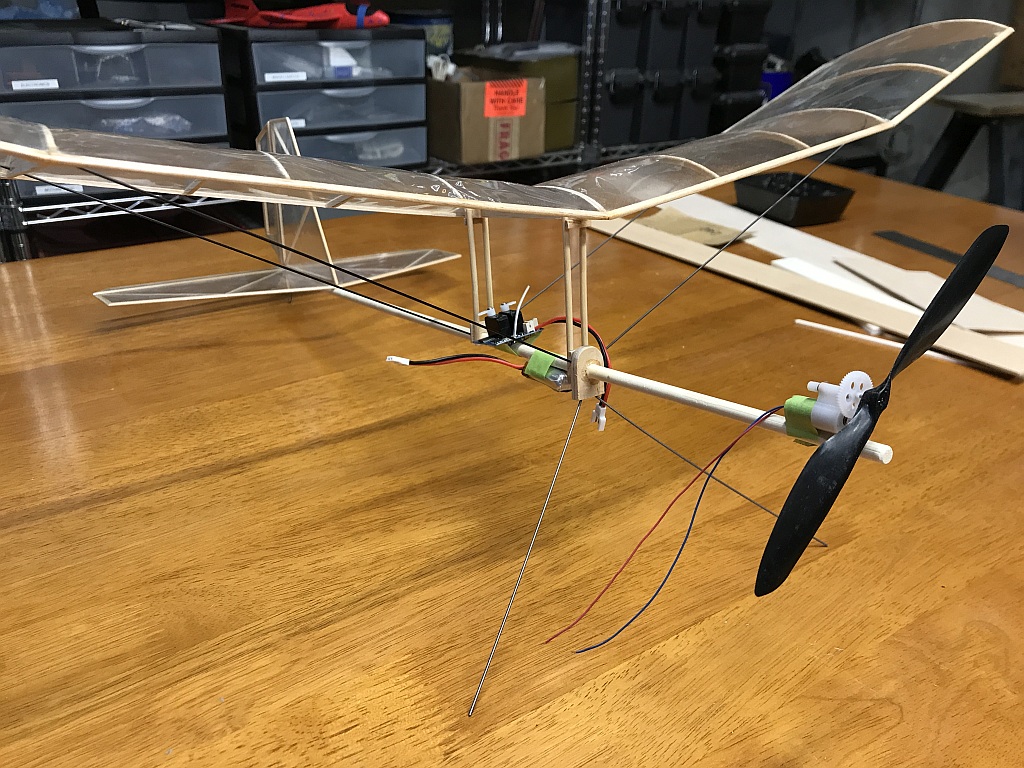
Balsa wood planes are classic and lightweight. They offer a natural balance and smooth flight. These planes require careful building and some experience.
Balsa wood is fragile but easy to repair with glue. These planes often have a vintage look and feel. They fly slowly and steadily, perfect for indoor use.
Hybrid Designs
Hybrid designs combine foam and balsa wood parts. This mix gives strength and lightness. They offer better durability than pure balsa models.
Hybrid planes balance easy handling with improved flight performance. They suit pilots who want a bit more challenge. These models often feature modern electronics and classic structures.
Key Features To Look For
Choosing the right slow flying indoor RC plane means knowing what matters most. Key features shape your flying experience. Focus on parts that affect flight control, durability, and fun.
Lightweight Construction
Lightweight materials make planes easier to fly indoors. They glide smoothly and stay in the air longer. Foam and balsa wood are popular choices. These materials absorb small bumps without breaking. A light plane reacts better to gentle controls.
Efficient Motors
Motors must provide steady power without using too much battery. Brushless motors often last longer and run quieter. Efficiency means longer flight times and less noise. A good motor handles slow speeds well for smooth, controlled flying.
Responsive Controls
Controls should be easy to use and quick to respond. Precise control helps avoid crashes in tight indoor spaces. Look for planes with smooth steering and throttle responses. Responsive controls make flying feel natural and fun.
Building And Customizing Your Plane
Building and customizing your slow flying indoor RC plane is a fun and rewarding process. It lets you create a model that fits your style and flying needs. Each step matters, from picking materials to upgrading parts. This way, your plane flies smoothly and lasts longer.
Focus on details. Small changes can make a big difference in performance and control. Enjoy the process of turning simple parts into a beautiful flying machine.
Choosing The Right Materials
Pick light materials like balsa wood or foam for easy flying. They make your plane light and easy to control indoors. Foam is good for beginners because it is soft and less likely to break. Balsa wood offers a classic look and strong frame. Avoid heavy materials that make flying hard and slow.
Balancing Weight And Durability
Keep your plane light but strong enough to handle crashes. Use thin layers of glue and tape to hold parts together. Reinforce key areas like wings and fuselage without adding much weight. Test your plane by hand before flying. Balance helps your plane stay steady and fly longer indoors.
Upgrading Electronics
Choose small, lightweight motors for smooth slow flying. Use efficient batteries with enough power for longer flights. Upgrade to a responsive radio control system for better handling. Add small servos to control flaps and rudders easily. Good electronics improve your flying experience and control.
Flying Techniques For Indoor Rc Planes
Flying indoor RC planes slowly takes skill and patience. The right techniques help pilots control their planes easily. This improves the flying experience and reduces the risk of crashes. Learning how to take off, maintain speed, and maneuver carefully is key for indoor flights.
Each step needs focus and smooth movements. Small rooms and obstacles make flying slow planes tricky. Proper techniques keep the plane steady and safe while flying indoors.
Smooth Takeoff And Landing
Start with gentle throttle control. Push the throttle slowly to avoid sudden jumps. Keep the plane level as it rises. Use small corrections to keep the plane steady.
For landing, reduce speed early. Lower the plane smoothly toward the floor. Keep the wings level to prevent tipping. Lightly touch down and cut the throttle. This helps avoid damage.
Maintaining Slow Speeds
Use light throttle to keep a slow, steady pace. Avoid sharp throttle changes that can cause jerks. Balance the plane with small elevator inputs. This keeps the plane from stalling or falling.
Watch the plane’s pitch to control speed. Slight nose-up angles reduce speed safely. Practice flying at just above stall speed for control.
Maneuvering In Tight Spaces
Plan your flight path before flying. Look for open spots and avoid obstacles. Use gentle turns to keep control. Avoid quick or sharp maneuvers indoors.
Use slow, smooth aileron and rudder inputs. Small corrections work better than big moves. This prevents crashes and keeps the plane flying well.

Credit: sportcafehuelva.com
Common Challenges And Solutions
Flying slow indoor RC planes is fun but comes with challenges. Understanding these issues helps improve your flying experience. This section covers common problems and simple ways to solve them.
Avoiding Crashes
Crashes happen often with slow flying planes. These planes move gently but are sensitive to small errors. Keep the plane low and steady. Practice gentle turns and slow movements. Avoid flying near walls or furniture. Use a larger indoor space for better control. Learning to control speed helps prevent sudden drops or stalls.
Dealing With Interference
Interference can disrupt your plane’s signals. Other wireless devices may cause problems. Choose a radio frequency less crowded in your area. Keep the transmitter and receiver antennas clear and straight. Avoid flying near metal objects or electronic devices. Turn off other wireless gadgets to reduce interference. Check your plane’s manual for recommended frequency settings.
Battery Management
Battery life is key for longer flights. Charge batteries fully before flying. Use a proper charger made for your battery type. Avoid overcharging or letting batteries drain completely. Keep spare batteries ready for quick swaps. Store batteries in a cool, dry place. Monitor battery voltage during flight to prevent sudden power loss.
Best Indoor Rc Planes On The Market
Choosing the best indoor RC plane makes flying fun and easy. These planes fly slowly and smoothly inside rooms or gyms. They need to be light and stable to avoid crashes. This list covers top indoor RC planes for every skill level and budget. Simple controls and good design help you enjoy flying right away.
Whether you want a beginner model or a more advanced plane, you will find good options here. Each plane offers quality and value for indoor flying fun.
Top Models For Beginners
Beginner planes are easy to control and hard to break. They have simple designs and steady flight. The HobbyZone Champ is a popular starter plane. It has a slow speed and stable flight, perfect for learning. The E-flite Apprentice offers great control and comes with a safe flight mode. These models help new pilots build confidence quickly.
Advanced Options For Enthusiasts
Advanced indoor planes offer better speed and maneuverability. The ParkZone Radian is ideal for pilots who want more control. It has smooth handling and can glide long distances. The Multiplex EasyStar is another choice with strong build and precise controls. These planes allow skilled flyers to perform cool moves indoors.
Budget-friendly Picks
Affordable planes still offer great flying experience. The WLtoys F949 is a low-cost option with steady flight and durability. The Eachine Mini Elf is small and lightweight, perfect for tight spaces. These budget models give good value without losing quality. Great for casual flyers or kids just starting out.
Credit: finuniverblg.ru.net
Frequently Asked Questions
What Makes Slow Flying Indoor Rc Planes Unique?
Slow flying indoor RC planes have lightweight frames and large wings. They are designed for smooth, controlled flights in small spaces. Their slow speed allows beginners to learn easily and reduces crash damage. This makes them ideal for indoor flying and tight environments.
How Do I Choose The Best Slow Flying Rc Plane?
Look for planes with stable flight control and durable materials. Choose models with easy-to-use remote controls and replaceable batteries. Consider size, weight, and flight time for indoor use. Reviews and beginner-friendly features help ensure a good choice for slow flying indoors.
Are Slow Flying Rc Planes Safe For Indoor Use?
Yes, slow flying RC planes are safer indoors due to their low speed and lightweight design. They reduce the risk of damage to furniture and people. Always fly in open spaces and follow safety guidelines to prevent accidents during indoor flights.
What Skills Are Needed To Fly Slow Indoor Rc Planes?
Basic hand-eye coordination and patience are essential for flying slow indoor RC planes. Beginners can start with simple controls and practice hovering and gentle turns. These planes help build confidence before advancing to faster, more complex RC models.
Conclusion
Slow flying indoor RC planes offer fun for all ages. They move gently, making them easy to control. You can enjoy flying them in small spaces safely. These planes help beginners learn without rushing. They provide a calm and relaxing experience.
Choosing the right plane matters for better flights. Practice helps improve your skills over time. Flying slow RC planes indoors brings joy and calm. Give it a try and enjoy peaceful flying moments.