
If you love flying model aircraft, there’s something important you need to know before you take off. Following the right rules isn’t just about staying safe—it’s about making sure you can keep enjoying your hobby without trouble.
Whether you’re a beginner or have flown many times, understanding these rules will protect you, your model, and the people around you. Keep reading to discover the key guidelines that will help you fly confidently and responsibly every time.
Credit: www.hanscom.af.mil
Basic Model Aircraft Rules
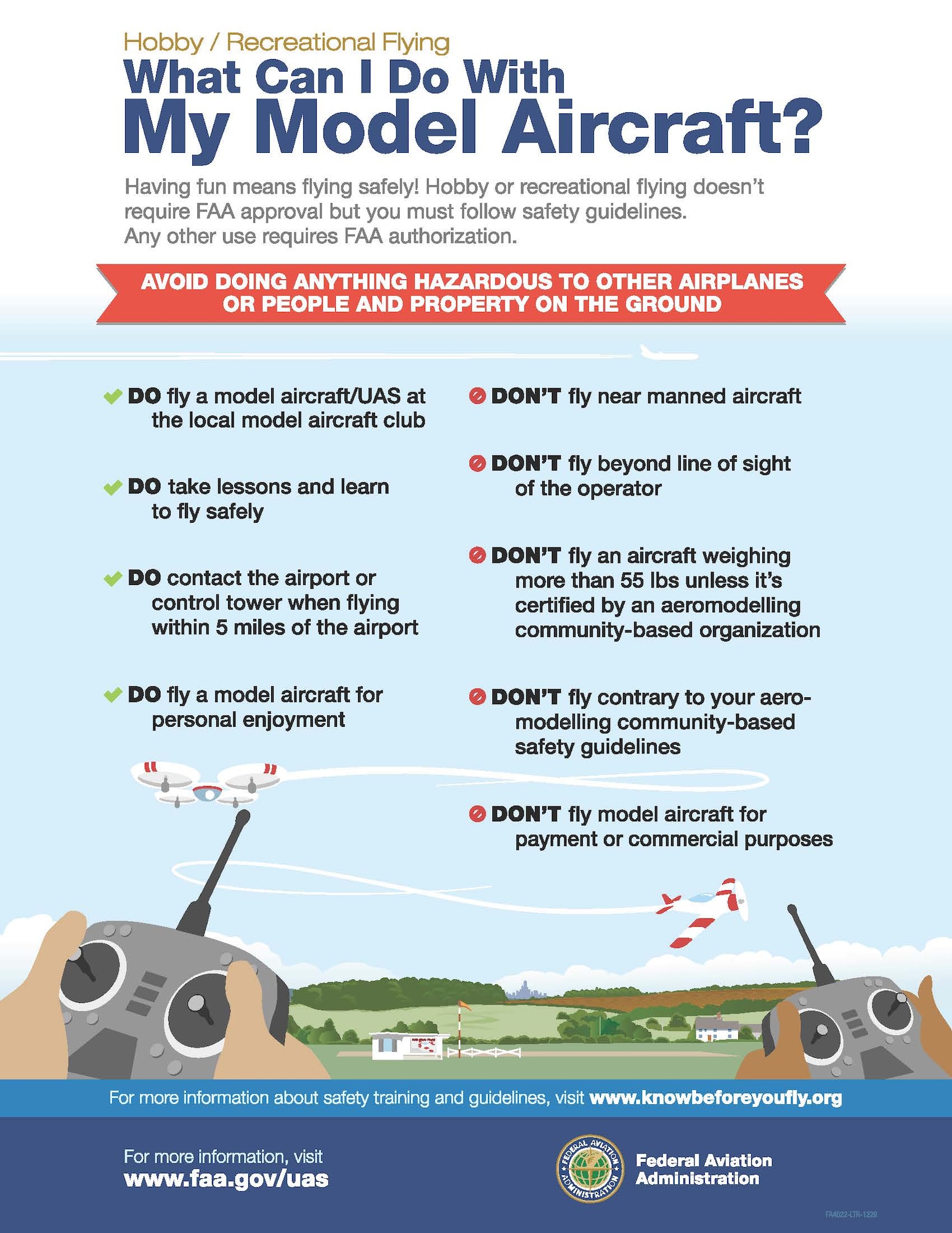
Flying model aircraft is a fun hobby, but it comes with rules to keep everyone safe and ensure you enjoy the experience without trouble. Knowing the basic model aircraft rules helps you fly confidently and responsibly. These rules cover who can fly, what kind of aircraft you can use, and how to register your model.
Age And Licensing Requirements
Most places require you to be a certain age to fly a model aircraft alone. Usually, pilots must be at least 14 years old, but younger flyers can participate with adult supervision. You might also need a basic license or certification depending on where you live.
Think about whether you’ve checked your local rules before flying. Have you ever tried flying without knowing these age limits? It can lead to fines or stopped flights.
Aircraft Weight Limits
Model aircraft often have weight restrictions to keep them safe to fly. Typically, the maximum weight allowed is around 55 pounds (25 kilograms), but some areas set lower limits for beginner pilots. Heavier models can be harder to control and cause more damage if something goes wrong.
When I started flying, I underestimated how weight affected control. Lighter models are easier to handle, especially if you’re new. What’s the weight of your model? Check it before your next flight.
Registration Procedures
Many countries require you to register your model aircraft before flying in public areas. Registration usually involves providing your contact details and paying a small fee. This helps authorities track your model if it gets lost or causes issues.
Registration is simple but important. Have you registered your model yet? Skipping this step can lead to penalties and limits on where you can fly. Keeping your registration current shows you respect the rules and other flyers.
Flight Operation Guidelines
Flying model aircraft is fun but requires clear rules. Following flight operation guidelines keeps everyone safe. These rules help avoid accidents and protect the environment. They also ensure you enjoy flying without interruptions.
Designated Flying Areas
Fly model aircraft only in places set for this activity. Parks or clubs often have special zones for flying. These areas keep you away from people and buildings. Respect boundaries and do not fly in restricted zones. This reduces risks and avoids legal trouble.
Altitude Restrictions
Keep your model aircraft within allowed height limits. Usually, the maximum is around 400 feet above ground. Flying higher can interfere with real airplanes. Stay low to keep control and stay safe. Check local rules for exact altitude limits.
Daylight And Weather Conditions
Fly only during daylight hours with good visibility. Avoid flying at dusk, night, or in fog. Good weather helps you see your model clearly. Windy or rainy days make flying hard and risky. Always check weather before you fly your aircraft.
Safety Measures
Flying model aircraft is fun but requires careful safety measures. These rules keep you and others safe. They also protect your model plane from damage. Follow these simple steps every time you fly.
Pre-flight Checks
Check the aircraft before every flight. Inspect the wings, propeller, and battery. Make sure all parts are secure and work well. Test the controls to ensure smooth operation. A quick check can prevent crashes and injuries.
Maintaining Visual Contact
Always keep your model aircraft in sight. Do not fly behind trees or buildings. Keeping the plane visible helps you control it better. It also helps avoid collisions with people or objects. Stay alert and focused during the flight.
Avoiding Crowded Spaces
Fly your model aircraft in open, empty areas. Stay away from parks, streets, and busy places. Crowds can cause accidents and distractions. Choose fields or designated flying zones. This keeps everyone safe and gives you space to maneuver.
Airspace And Legal Restrictions
Flying model aircraft requires careful attention to airspace rules and legal limits. These rules help keep the skies safe for everyone. Knowing where you can and cannot fly is important. Understanding privacy laws also protects others around you.
No-fly Zones
No-fly zones are areas where model aircraft cannot fly. These zones protect sensitive places like government buildings and military bases. Flying in these areas can cause serious trouble. Always check maps or apps that show no-fly zones before flying.
Proximity To Airports
Flying near airports is strictly controlled. Model aircraft must stay far from runways and flight paths. This prevents accidents with real airplanes. Many countries set a minimum distance, often several kilometers. Follow local rules to avoid fines or crashes.
Privacy And Data Protection
Respect others’ privacy when flying your model aircraft. Avoid capturing images or videos of people without permission. Some places have strict data protection laws. These laws stop misuse of personal information. Fly responsibly to keep trust and avoid legal issues.
Drone-specific Regulations
Drones have unique rules to keep the skies safe and clear. These rules help protect people and property on the ground. They also make flying fair and fun for everyone. Understanding these drone-specific regulations is important for every model aircraft pilot.
Remote Identification
Remote identification means your drone must broadcast its ID and location. This helps authorities track drones in the sky. It makes it easier to find drones that cause trouble. Most new drones must have this feature built-in. Older drones might need an add-on device to comply.
Weight And Speed Limits
Drones have limits on how heavy and fast they can be. These limits reduce accidents and control risks. Small drones usually weigh less than 55 pounds. Speed limits keep drones from flying too fast near people. Check local rules to know exact weight and speed rules.
Insurance Requirements
Some places require insurance for drone flights. Insurance helps cover damage to property or injury to people. It protects both drone pilots and the public. Not all countries require insurance, but it is smart to have it. Always check if you need insurance before flying.
Credit: www.lcfpd.org
Enforcement And Penalties
Flying model aircraft requires following strict rules. These rules keep the skies safe for everyone. Enforcement and penalties help ensure pilots fly responsibly. Authorities watch for violations and act quickly. Penalties discourage unsafe flying and protect people and property.
Common Violations
Pilots often break rules by flying too high. Flying near airports is another common mistake. Some pilots fly out of sight or without permission. Ignoring weight limits and no-fly zones also happens. These violations increase the risk of accidents.
Fines And Sanctions
Violating rules can lead to fines. Penalties vary based on the severity of the violation. Serious breaches may cause pilots to lose flying privileges. Repeat offenders face higher fines and stricter actions. Authorities may also confiscate model aircraft in some cases.
Reporting Unsafe Operations
Anyone can report unsafe model aircraft flying. Authorities rely on reports to act quickly. Provide details like location, time, and description. Reporting helps prevent accidents and protects the community. Stay alert and speak up if you see danger.
Community And Club Participation
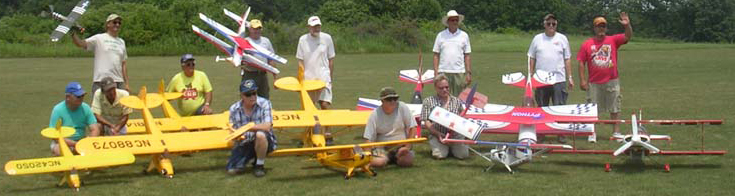
Flying model aircraft is fun and rewarding. Being part of a community enhances this experience. Clubs bring pilots together to share knowledge and enjoy safe flying. They create a friendly space for all skill levels. Participating in clubs helps pilots learn rules and improve skills. It also opens doors to events and competitions.
Joining Model Aircraft Clubs
Model aircraft clubs welcome beginners and experts alike. Joining a club gives access to flying fields and equipment. Members follow safety rules to protect themselves and others. Clubs often provide training and mentoring for new pilots. Meeting other enthusiasts builds friendships and support. Clubs also help with understanding local laws.
Organized Events And Competitions
Clubs host events and competitions throughout the year. These gatherings test flying skills and aircraft control. Events range from casual fun flies to serious contests. Competitions encourage fair play and respect among pilots. They offer chances to win awards and recognition. Events also allow pilots to try new flying techniques.
Sharing Best Practices
Club members share tips and advice regularly. They discuss maintenance, safety, and flying techniques. Sharing helps avoid common mistakes and accidents. Experienced pilots guide newcomers with simple explanations. Clubs promote responsible flying habits for everyone’s safety. Learning from others keeps the hobby enjoyable and safe.
Credit: www.kidstoylover.com
Frequently Asked Questions
What Are The Basic Rules For Flying Model Aircraft?
Always fly in designated areas away from people and buildings. Maintain visual line-of-sight with your aircraft. Follow local regulations and altitude limits to ensure safety and legal compliance.
Do I Need A License To Fly Model Aircraft?
In many countries, a license or registration is required for drones or model aircraft above certain weights. Check your local aviation authority’s rules before flying to avoid fines or penalties.
How High Can I Legally Fly Model Aircraft?
Most regulations limit model aircraft to a maximum altitude of 400 feet (120 meters) above ground level. Staying below this height prevents interference with manned aircraft and ensures safer flying conditions.
Can I Fly Model Aircraft Near Airports?
Flying near airports is usually prohibited or restricted. Maintain a safe distance, often several miles, from airports to avoid air traffic conflicts and comply with aviation laws.
Conclusion
Flying model aircraft can be fun and safe with simple rules. Always check the area before you fly. Respect others and avoid crowded places. Keep your model in sight at all times. Follow local laws and fly only in allowed zones.
These steps help protect your model and people nearby. Enjoy flying while staying responsible and careful. Safety makes every flight more enjoyable and worry-free. Keep learning and practicing to improve your skills. Have fun, but always put safety first.