
If you’re ready to dive into the exciting world of RC planes but feel overwhelmed by all the options, you’re not alone. Choosing the right RC plane can make all the difference in how quickly you learn and how much fun you have.
In this guide, you’ll discover the main types of RC planes perfect for beginners like you. Whether you want something easy to fly, durable enough to handle a few crashes, or packed with helpful features to keep you in control, this article will help you find the best fit.
Keep reading, and soon you’ll be confidently soaring your very own RC plane!
Top Rc Plane Models
Choosing the right RC plane model helps beginners enjoy flying. Simple controls and stable flight make learning easier. The models below fit well for new pilots. They offer good balance of durability and ease of use.
Each model has unique features for different flying styles. Some focus on durability, others on smooth flight or realistic design. These planes help beginners build skills confidently.
Fms Super Cub
The FMS Super Cub offers a classic design and stable flight. It comes ready-to-fly with all parts included. High-wing design helps with steady control. The foam body is light and durable. It handles well even in light wind. A good choice for first flights.
Dynam Primo
Dynam Primo has a strong build and easy controls. It uses ABS technology for self-leveling and smooth turns. The propeller is protected by a central mount, reducing damage from crashes. It is great for beginners who want extra safety features.
Hobbyzone Xcub
HobbyZone XCub features SAFE technology for flight assistance. It is lightweight and designed for smooth flying. This plane offers beginner modes with bank limits and self-leveling. It also has a realistic look that appeals to new flyers. Perfect for small parks or open fields.
E-flite Umx Conscendo
E-flite UMX Conscendo is a micro plane with excellent stability. It is easy to fly indoors or outside in calm weather. The small size makes it less intimidating for beginners. It has a durable foam frame and simple controls. Ideal for learning basic flying skills.
Key Features For Beginners
Choosing the right RC plane for beginners depends on key features that make flying easier and more fun. These features help new pilots learn controls quickly and reduce the chance of crashes. Beginners should focus on planes that come with helpful technology and strong designs. Understanding these features guides you to a smooth start in the hobby.
Below are important features that beginners should look for when selecting an RC plane.
Ready-to-fly Packages
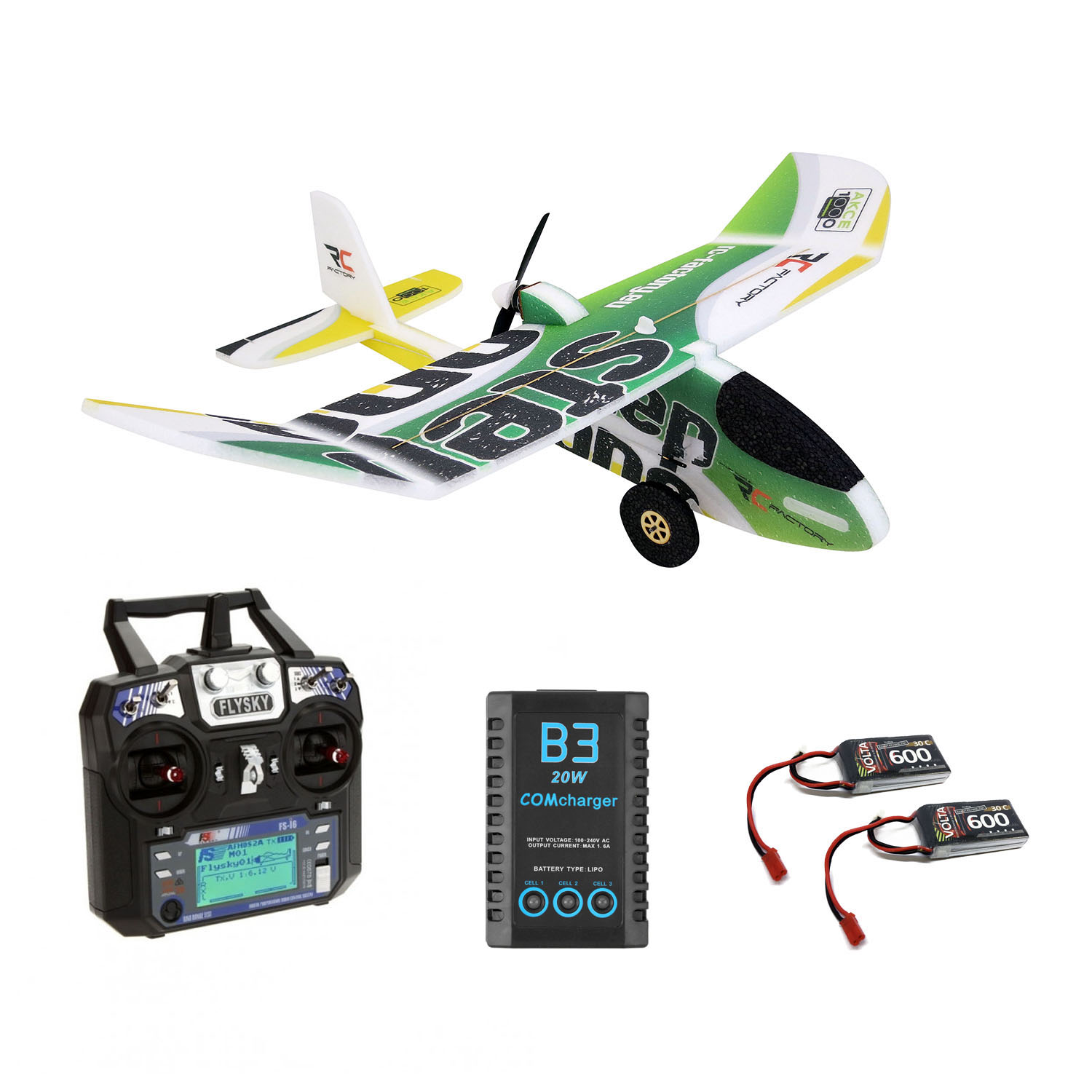
Ready-to-fly (RTF) packages include everything needed to start flying. They usually have the plane, transmitter, battery, and charger. This saves time and effort buying parts separately. Beginners can take the plane out of the box and fly right away. RTF packages reduce the risk of compatibility problems.
Flight Stabilization Systems
Flight stabilization systems help keep the plane steady in the air. Technologies like SAFE or ABS provide self-leveling and limit sharp turns. These systems make flying less stressful for beginners. They also protect the plane from crashes by preventing sudden movements. This allows new pilots to practice safely.
Durable Construction
Durable planes resist damage from hard landings and crashes. Foam materials like EPP or EPO absorb shocks well. Some designs place the propeller in the middle or behind to avoid damage. Tough construction lowers repair costs and extends the plane’s life. Beginners benefit from planes that can handle rough use.
High Wing Design Benefits
High wing planes have wings placed above the fuselage. This design offers greater stability and easier control. It helps the plane self-correct during flight. High wing planes usually fly slower, giving beginners more reaction time. This makes learning to fly less frustrating and more enjoyable.
Types Of Rc Planes
RC planes come in various types suited for beginners. Each type offers unique flying experiences and learning curves. Choosing the right type helps new pilots enjoy their first flights and improve skills. Understanding these types makes flying more fun and safe.
Scale Aircraft
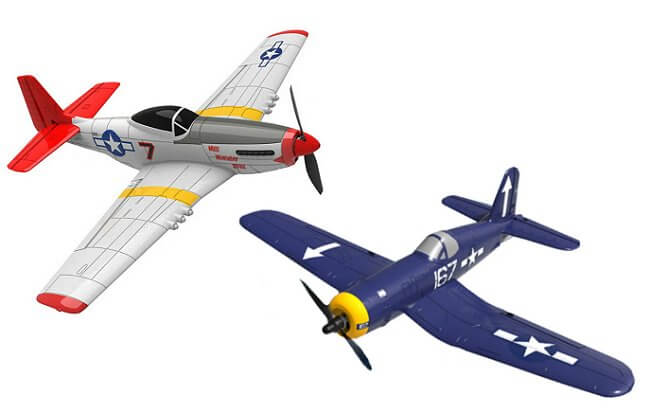
Scale aircraft look like real planes but are smaller. They often copy famous or historical airplanes. These models focus on detail and realism. Beginners enjoy them for their authentic appearance. Many come as ready-to-fly kits. Flying scale aircraft teaches control and precision.
Sailplanes And Gliders
Sailplanes and gliders fly without engines. They use rising air currents to stay in the sky. These planes offer smooth, quiet flights. Beginners learn about airflow and soaring techniques. Sailplanes require patience but reward with graceful flying. They often have simple controls, good for first-timers.
Jets And Sport Planes
Jets and sport planes are faster and more agile. Jets mimic real jet aircraft with sleek designs. Sport planes are easy to fly and respond well to controls. They suit beginners who want exciting and dynamic flying. These planes need open spaces for safe flights. Learning to fly jets builds quick reflexes.
Park Flyers And Micro Planes
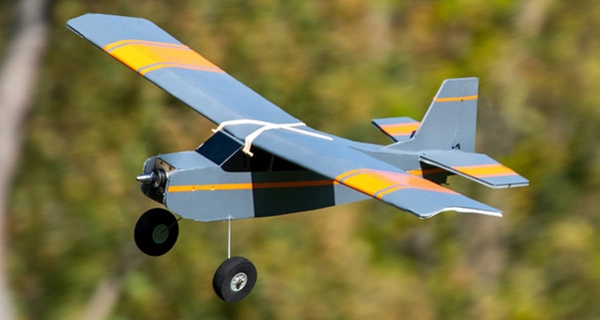
Park flyers and micro planes are small and lightweight. They fit in small parks or backyards. These planes are perfect for limited spaces. Beginners find them easy to control and forgiving. Micro planes can fly indoors on calm days. Their size makes them less costly and easier to repair.
Credit: beginner.flitetest.com
Essential Considerations
Choosing the right RC plane involves more than just picking a model. Beginners must think about key factors that affect their flying experience. These considerations help avoid frustration and make learning easier. Understanding simulator use, battery needs, and space requirements is essential before making a purchase.
Simulator Practice
Simulators help beginners learn controls safely. They mimic real flying without risking a crash. Practice on a simulator builds confidence and skills. It also helps understand how planes respond to commands. Some RC planes come with simulator software included. Using a simulator reduces the chance of early mistakes.
Battery And Charger Needs
Most RC planes run on rechargeable batteries. Knowing the type and size of battery is important. Some planes include batteries and chargers; others require separate purchases. A good charger ensures batteries last longer and stay safe. Check battery life to know how long you can fly. Having extra batteries allows more flying time between charges.
Space Requirements
Flying space affects which plane you can choose. Small parks or open yards work well for beginner planes. Larger, faster planes need wide open areas to fly safely. Avoid flying near roads, buildings, or crowds. Check local rules about flying RC planes in public places. Adequate space helps prevent crashes and damages.
Tips For First Flights
Starting your first flight with an RC plane can be exciting and a bit challenging. Simple tips help you enjoy flying and avoid common mistakes. Focus on safety and control to build confidence quickly.
Choosing A Safe Flying Area
Select a wide-open space away from people, trees, and buildings. Parks or empty fields work well. Avoid windy days because strong wind makes flying harder. Make sure the area has no power lines or roads nearby. This reduces the risk of crashes and injury. Clear space helps you see and control your plane better.
Basic Controls To Master
Learn the main controls before your flight. Throttle controls speed, elevator controls up and down, and rudder controls left and right. Practice gentle movements to avoid sudden turns or climbs. Start with slow speed to keep your plane stable. Focus on smooth, small control inputs. This helps your plane respond correctly without flipping or stalling.
Handling Common Issues
Planes may drift or lose control sometimes. If your plane moves away, gently steer it back using the rudder and elevator. If it stalls, lower the nose by pushing the elevator forward. Watch battery levels closely to avoid sudden power loss. In case of a crash, check the plane for damage before flying again. Patience is key; each flight improves your skill.
Credit: www.rc-airplane-world.com
Credit: www.rc-factory.eu
Frequently Asked Questions
What Is The Best Rc Plane For A Beginner?
The best RC plane for beginners is the HobbyZone Sport Cub S. It offers SAFE technology, durability, and easy flight controls. This ready-to-fly model ensures stable, stress-free learning with auto-leveling and crash resistance, ideal for new pilots starting RC flying confidently.
What Are The Different Types Of Rc Planes?
RC planes include trainers, sport planes, scale models, gliders, jets, pylon racers, park flyers, and micro planes. Trainers suit beginners, while jets and racers fit advanced flyers.
What Is The Best Plane For Beginners?
The best plane for beginners is a high-wing, durable, foam RC trainer with flight stabilization like SAFE or ABS. Choose Ready-To-Fly kits for easy setup and practice in open spaces. Models like the HobbyZone Champ or FMS Easy Trainer offer stability, crash resistance, and self-leveling features.
What Are The 4 Types Of Flight?
The four types of flight are Economy, Premium Economy, Business Class, and First Class. Each offers increasing comfort and amenities.
Conclusion
Choosing the right RC plane type makes learning easier and more fun. Beginner-friendly planes offer stability and simple controls. Look for planes with durable builds and flight stabilization features. Starting with smaller, ready-to-fly models helps build confidence quickly. Practice often to improve skills and enjoy flying.
Remember, patience and practice lead to steady progress in RC flying. Enjoy the journey and the thrill of each flight!