
If you want your RC plane to fly faster and smoother, reducing drag is the key. Drag slows your plane down and wastes battery power, cutting your flight time short.
But don’t worry—there are simple ways you can reduce drag and boost your plane’s performance. You’ll discover easy tips and tricks that make a big difference. Keep reading, and you’ll soon see your RC plane cutting through the air like never before.
Aerodynamics Basics
Aerodynamics is the study of how air moves around objects. For RC planes, it explains how air affects flight. Understanding aerodynamics helps reduce drag. Less drag means better speed and longer flight times. Knowing basic concepts helps you design or adjust your plane for smoother flying.
Every part of an RC plane interacts with air. Some parts create resistance, slowing the plane down. Others help the plane lift off and move forward. Balancing these forces is key to efficient flight. Let’s explore the main aerodynamic factors that impact drag on RC planes.
Drag Types Affecting Rc Planes
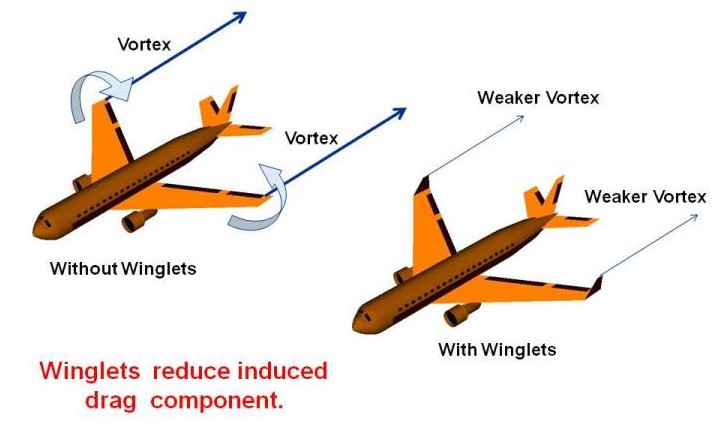
Drag is the force that slows the plane in the air. Two main types affect RC planes: parasitic drag and induced drag. Parasitic drag comes from the plane’s shape and surface. Rough or bulky parts create more air resistance. Induced drag happens because of lift. As wings create lift, they also cause swirling air behind them. This swirl pulls back on the plane, adding drag.
Role Of Lift And Thrust
Lift is the upward force that keeps the plane in the air. Wings generate lift by changing air pressure above and below them. Thrust is the forward force that moves the plane ahead. It comes from the motor and propeller. Both lift and thrust must overcome drag and weight. If lift or thrust is weak, the plane will slow down or fall. Good design improves lift and thrust, reducing drag’s effect.
Streamlining The Airframe
Streamlining the airframe is key to reducing drag on an RC plane. A smooth, sleek body lets air flow freely around the plane. This lowers resistance and helps the plane fly faster and longer. Even small changes to the airframe shape can make a big difference in performance.
Smoothing Surfaces
Rough surfaces cause air to slow down and create drag. Sand the plane’s body gently to remove bumps and rough spots. Use fine sandpaper for a smooth finish. Applying a thin, even coat of paint or clear coat helps seal the surface. Smooth surfaces let air slide easily, cutting down drag.
Minimizing Protrusions
Protrusions like antennas or screws stick out and disrupt airflow. Keep these parts as flush with the body as possible. Use small, low-profile screws or hide antennas inside the fuselage. Cover gaps and seams with tape or filler to avoid air catching. Fewer bumps mean cleaner airflow and less drag on the plane.
Wing Design Adjustments
Wing design plays a big role in reducing drag on an RC plane. Small changes in the wing shape can make the plane fly smoother and faster. Adjusting the wing helps the air flow better around it. This lowers resistance and saves battery power.
Careful planning of the wing design can improve flight time and control. It helps the plane cut through the air with less effort. Understanding wing design basics is key to better performance.
Optimizing Wing Shape
Choosing the right wing shape reduces drag significantly. Longer wings with narrow tips create less air resistance. This shape helps lift the plane more efficiently. Avoid wide or bulky wings that slow the plane down.
Tapered wings and smooth edges allow the air to flow gently. Rounded wing tips reduce vortex drag, a common problem in RC planes. Straight wings are easier to build but create more drag.
Choosing The Right Airfoil
The airfoil is the wing’s cross-section shape. It controls how air moves over the wing surface. Thin, streamlined airfoils reduce drag better than thick ones. Thin airfoils are ideal for fast and agile planes.
Some airfoils create more lift but also more drag. Balance lift and drag to suit your flying style. Flat-bottom airfoils work well for beginners and slow flyers. Curved airfoils suit advanced planes needing speed and efficiency.
Credit: www.reddit.com
Weight Reduction Strategies
Reducing the weight of your RC plane helps lower drag and improve flight. Light planes move through the air easier. They use less power and fly longer.
Focus on materials and design to cut weight without losing strength. Small changes make a big difference.
Lightweight Materials
Use materials that are light but strong. Balsa wood is popular for its low weight. Foam is another option, easy to shape and very light.
Carbon fiber parts add strength without much weight. Avoid heavy metals that add drag and slow your plane.
Balancing Weight And Strength
Remove extra parts that do not add strength. Thin surfaces help reduce weight but must hold shape. Check weak spots and reinforce only where needed.
Keep the center of gravity balanced for better control. A well-balanced plane uses less energy to fly straight and smooth.
Propeller Selection
Choosing the right propeller is key to reducing drag on an RC plane. The propeller affects how smoothly the plane moves through the air. A good selection can improve flight time and control. Understanding blade shape and pitch helps pick the right propeller. Matching the motor and propeller also plays a big role in reducing drag.
Blade Shape And Pitch
The blade shape affects how air flows around the propeller. Narrow blades cut through air easier than wide ones. This reduces drag and increases speed.
Pitch means the angle of the blades. Low pitch blades spin faster but push less air. High pitch blades move more air but slow the motor down. Choose pitch based on flight style. Low pitch suits slow, smooth flights. High pitch works for fast, powerful flights.
Matching Motor And Propeller
The motor and propeller must work well together. A motor that is too weak for a large propeller will slow down. This creates more drag and wastes energy.
Select a propeller size that fits the motor’s power. Check the motor’s RPM and current limits. Pick a propeller that stays within these limits. This balance keeps the plane efficient and reduces drag.
Motor And Electronics Placement
Placing the motor and electronics correctly on your RC plane can lower drag significantly. Proper placement helps the plane cut through the air more smoothly. It also keeps the weight balanced for better flight control. Thoughtful positioning of these parts helps reduce air resistance and improves overall performance.
Reducing Drag With Positioning
Mount the motor close to the plane’s centerline. This reduces side forces and keeps airflow steady. Avoid placing electronics in spots that block airflow. Keep wires neat and tight to the frame. A clean layout means less air turbulence. Align parts so they follow the plane’s shape. This keeps the surface smooth and cuts drag.
Cooling Considerations
Motors and electronics need cooling to work well. Place them where air flows naturally during flight. Use vents or small openings near hot parts. This lets cool air enter and hot air escape. Avoid large openings that create extra drag. Cooling helps parts last longer and keeps power steady. Balance cooling needs with smooth design for best results.
Surface Coatings And Finishes
Surface coatings and finishes play a key role in reducing drag on RC planes. Smooth surfaces help air flow better over the plane. This lowers resistance and improves flight performance. Choosing the right coating can make the plane faster and more stable.
Coatings protect the plane’s body from dirt and damage. They also reduce roughness that causes drag. Some finishes are designed specifically to cut down air friction. Applying these can give your RC plane a cleaner, sleeker look and better aerodynamics.
Low-drag Paints
Low-drag paints have a smooth texture that helps air slide over the surface. These paints fill tiny bumps and scratches on the plane’s body. This creates a more even surface for airflow. They also resist peeling and cracking, keeping the surface smooth longer.
Using low-drag paint reduces skin friction drag. This type of drag slows the plane down as air rubs against its surface. A thin, glossy coat works best. Avoid thick layers as they add weight and roughness. Proper sanding before painting also improves results.
Protective Films
Protective films stick to the surface of the plane. They create a smooth barrier that stops dirt and scratches. These films reduce drag by making the surface slick and even. They are usually thin and lightweight, so they don’t add much weight.
Applying protective films is easy and fast. They can be removed or replaced without damage. This helps keep the plane in good condition for longer. Some films also shine, which further helps air flow smoothly.

Credit: ftstem.com
Flight Technique Tips
Flight technique plays a big role in reducing drag on your RC plane. Smooth and steady controls help keep the plane moving efficiently. Sharp turns or sudden moves increase air resistance. Flying with care saves power and keeps the plane stable.
Smooth Maneuvers
Make all turns slow and gentle. Avoid quick jerks or sharp angles. Smooth maneuvers reduce drag by keeping airflow steady. This helps the plane glide better through the air. Less drag means longer flight time and better control.
Optimal Flight Speeds
Flying too fast creates more drag. Flying too slow can cause the plane to stall. Find a balanced speed that keeps the plane steady. This speed lowers drag and keeps the plane in control. Practice flying at different speeds to find the best one.
Credit: www1.grc.nasa.gov
Frequently Asked Questions
What Causes Drag On An Rc Plane?
Drag on an RC plane is caused by air resistance against its surfaces. Rough edges, large frontal area, and inefficient shapes increase drag. Minimizing these factors helps reduce drag and improve flight performance.
How Can I Streamline My Rc Plane Design?
Streamline your RC plane by smoothing surfaces and using aerodynamic shapes. Reduce protrusions and sharp angles. Cover exposed components and gaps to improve airflow and lower drag.
Does Wing Shape Affect Rc Plane Drag?
Yes, wing shape significantly impacts drag. Thin, tapered wings reduce drag better than thick, blunt ones. Proper wing design enhances lift and decreases air resistance.
Can Reducing Weight Help Lower Drag On Rc Planes?
Reducing weight indirectly lowers drag by requiring less lift and power. Lighter planes experience less induced drag and perform more efficiently in flight.
Conclusion
Reducing drag on your RC plane helps it fly smoother and faster. Keep the surfaces clean and smooth to cut air resistance. Use lightweight materials to lower the plane’s weight. Trim any extra parts that stick out and cause drag.
Make sure the wings and body fit well together without gaps. Small changes can make a big difference in performance. Practice these tips to enjoy longer and more stable flights. Your RC plane will respond better and use less battery power.
Simple steps lead to better flying fun.