
Choosing the right FPV camera can make all the difference in your flying experience. Whether you’re racing drones or capturing breathtaking aerial footage, the camera you pick affects how clearly you see and how well you control your craft.
But with so many options out there, finding the perfect fit can feel overwhelming. This guide will help you cut through the noise and find the FPV camera that matches your needs, skill level, and budget. Keep reading, and you’ll soon know exactly what to look for to get the best view every time you take off.
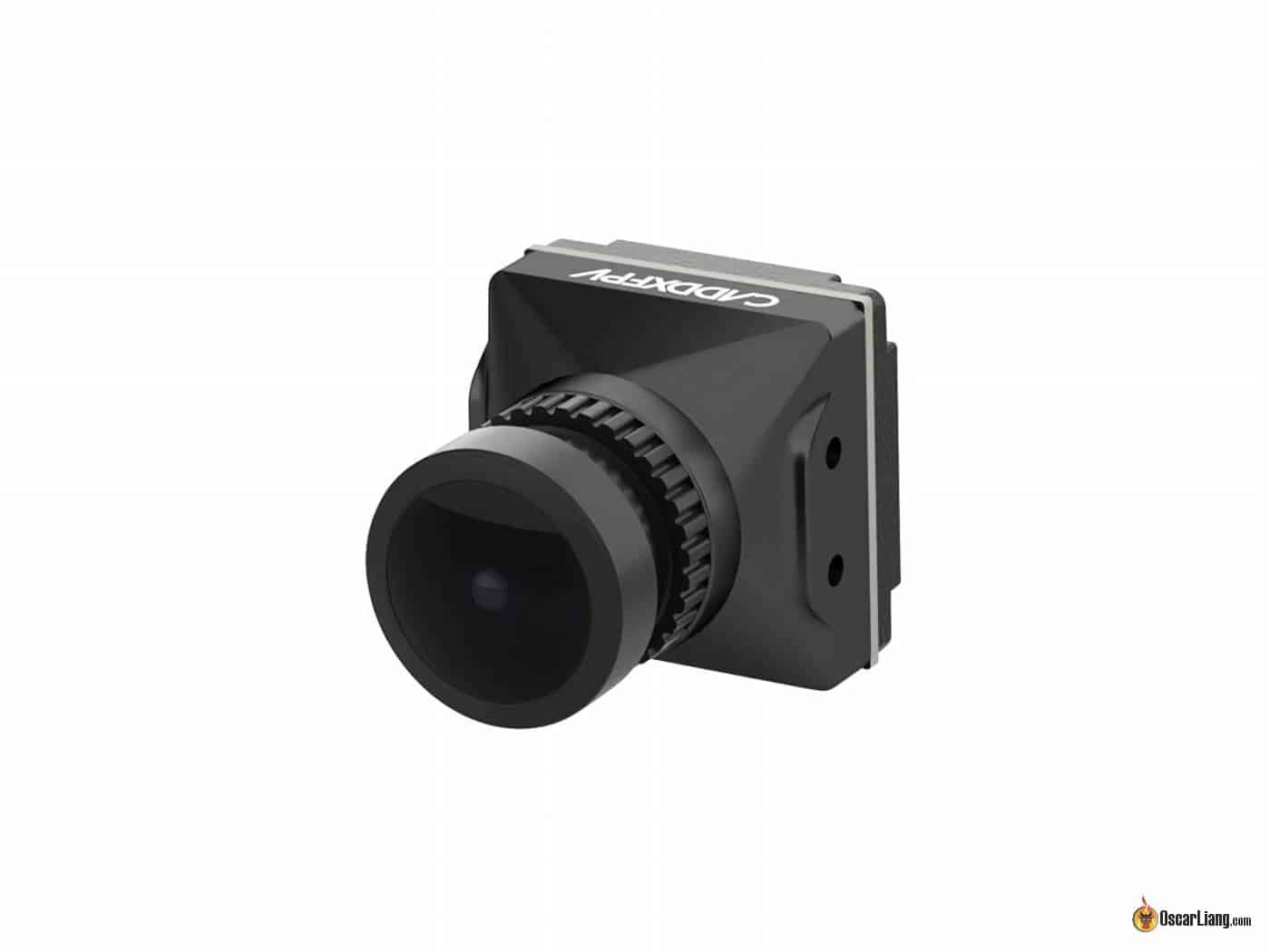
Credit: www.hydstm.com
Fpv Camera Types
Choosing the right FPV camera starts with understanding the types available. FPV cameras differ in technology and size. Each type has unique features that affect your flying experience. Knowing the options helps you pick the best camera for your needs.
Analog Vs Digital
Analog FPV cameras send video signals in real-time with low delay. They work well in most flying environments. The picture quality is good but can be grainy in poor signal areas. Analog systems are usually cheaper and simpler to use.
Digital FPV cameras offer clearer and sharper images. They transmit video with less interference and better range. The delay might be slightly higher than analog but still very low. Digital cameras often cost more and need compatible receivers.
Mini Vs Standard Size
Mini FPV cameras are small and lightweight. They fit easily on tiny drones and racing quads. Their size helps reduce drone weight and improve flight time. Mini cameras may have fewer features or lower resolution than larger models.
Standard size cameras are bigger and heavier. They often provide better image quality and more settings. These cameras suit larger drones or those needing high-definition video. They add weight but enhance the visual experience.
Key Camera Features
Choosing the right FPV camera means focusing on key features. These features affect how clear and smooth your video will be. They also impact how well you see your drone’s surroundings while flying. Understanding these features helps you pick a camera that fits your needs and flying style.
Resolution And Frame Rate
Resolution shows how sharp the video looks. Higher resolution means more detail. Common options include 720p, 1080p, or even 4K. Frame rate tells how many frames show every second. A higher frame rate means smoother video. Most FPV cameras offer 30, 60, or 120 frames per second. For fast flying, choose higher frame rates to avoid blurry images.
Field Of View
Field of view (FOV) shows how wide the camera sees. A wider FOV captures more of the scene. This helps you see obstacles on the sides. Typical FOV ranges from 90° to 170°. A very wide FOV can cause a fish-eye effect, making edges look curved. Pick an FOV that balances wide view and natural image shape.
Latency And Transmission
Latency is the delay between the camera and your screen. Low latency means you see video almost instantly. This is important for quick reactions during flight. Transmission quality affects video clarity and range. Choose cameras with strong signals to avoid video dropouts. Clear, real-time video helps you control your drone better.
Lens Options
Choosing the right FPV camera means understanding lens options well. Lens type affects your flight experience and video quality. Small differences in lenses change what you see and how you control your drone.
Fixed Vs Adjustable Lens
Fixed lenses do not change focus or zoom. They offer a simple, steady view. Many pilots prefer fixed lenses for their reliability. No need to adjust during flight. Adjustable lenses allow you to change focus or zoom. This adds flexibility for different flying styles. You can focus close or far. Adjustable lenses may require more skill to use well.
Lens Size Impact
Lens size controls the field of view (FOV). Larger lenses give a wider view. You see more area around your drone. This helps with navigation and awareness. Smaller lenses have a narrow FOV. They show less around your drone but more detail ahead. Choose lens size based on flying type and video needs.
Image Quality Factors
Choosing the right FPV camera involves many factors. One of the most important is image quality. Clear, sharp images help you control your drone better. Good image quality also improves your flying experience.
Several elements affect image quality. You should focus on low light performance, color reproduction, and dynamic range. These aspects determine how well your camera works in different conditions.
Low Light Performance
Low light performance shows how well a camera works in dark places. A good FPV camera captures clear images at dusk or in shaded areas. Cameras with large sensors or high sensitivity perform better in low light. This means less noise and clearer images. Choose a camera that handles low light well for varied flying conditions.
Color Reproduction
Color reproduction means how accurately a camera shows colors. Good color helps you see the environment clearly. Natural, vivid colors make it easier to spot details. Cameras with poor color reproduction may show dull or unrealistic colors. Pick a camera that delivers true-to-life colors for better flying control.
Dynamic Range
Dynamic range is the camera’s ability to capture both bright and dark areas. A wide dynamic range shows details in shadows and highlights. This helps you see better in mixed lighting, like flying from sun to shade. Cameras with low dynamic range lose details in bright or dark spots. Look for a camera with good dynamic range for balanced images.
Durability And Build
Durability and build quality are key for any FPV camera. A strong camera lasts longer and works well in tough conditions. It protects your gear and keeps your flights smooth. Choose a camera designed to handle the environment you fly in.
Weather Resistance
Weather resistance keeps the camera safe from rain, dust, and dirt. Cameras with water-resistant cases avoid damage during wet flights. Dust-proof designs stop particles from entering the lens or electronics. This means clearer images and longer camera life. Weather-resistant cameras let you fly in more places and conditions.
Shockproof Design
FPV flying can be rough. Crashes and bumps happen often. Shockproof cameras survive these impacts without breaking. They have strong shells and padding inside. This protects delicate parts like sensors and wiring. A shockproof design saves money on repairs and replacements. It also keeps your video smooth after hard landings.
Compatibility And Connectivity
Choosing the right FPV camera means checking its compatibility and connectivity. These factors ensure your camera works well with your drone and transmitter. They also affect video quality and flight time.
Transmitter Compatibility
Make sure your FPV camera matches your transmitter’s frequency. Common frequencies include 5.8GHz and 2.4GHz. Using the wrong frequency causes poor signal or no image. Some cameras support multiple frequencies for flexibility. Check if your transmitter and camera use the same video format. NTSC and PAL are the main standards. Matching these ensures clear video without distortion.
Power Requirements
FPV cameras need the right power to work properly. Check the voltage your camera requires. Most cameras run on 5V or 12V. Using a wrong voltage can damage the camera or reduce performance. Also, confirm your drone’s power supply can support the camera. Some cameras draw more current and need stable power. Proper power ensures stable video and longer camera life.
Budget Considerations
Choosing the right FPV camera depends a lot on your budget. Spending wisely ensures you get good value and a camera that meets your needs. It’s important to balance price with features and quality. This guide helps you understand what to expect at different price points.
Entry-level Options
Entry-level FPV cameras cost less but still offer decent quality. They are good for beginners or casual flyers. These cameras often have basic resolution and simple controls. Some models may lack advanced image processing or low-light performance. You get a clear enough picture for learning and basic flights. These options help keep costs low without sacrificing too much quality.
Premium Features Worth Paying For
Higher-priced FPV cameras include sharper images and better color accuracy. They offer features like wide dynamic range and low-light sensitivity. These improvements help capture clearer footage in different lighting. Some have built-in image stabilization or adjustable settings. These features improve your flying experience and video quality. Investing in these cameras makes sense for serious pilots and content creators.
Credit: skopemag.com
Top Brands And Models
Choosing the right FPV camera means knowing the top brands and models. These brands offer quality, durability, and clear video. Picking a trusted brand helps avoid common problems. Understanding the popular models guides you toward the best choice for your needs.
Popular Choices In 2026
RunCam remains a favorite for sharp video and solid build. The RunCam Phoenix 2 offers great low-light performance. Caddx shows strong competition with the Caddx Ratel model. It delivers excellent color and fast response. Foxeer also earns praise with the Foxeer Predator V5. It captures clear images even in bright light. Each brand focuses on different strengths. This variety helps pilots pick the best fit.
User Reviews And Ratings
User feedback highlights real-world camera performance. Many pilots praise RunCam for ease of use and reliability. Caddx scores high on video quality and price balance. Foxeer gets good marks for durability and color accuracy. Checking reviews helps spot common issues quickly. Ratings reveal which models work well in different conditions. Trust what users say to make smart choices.
Installation Tips
Installing the right FPV camera is key to clear flights and great footage. Proper installation makes sure the camera stays steady and works well with your drone. Follow these simple tips to get the best setup without trouble.
Mounting Best Practices
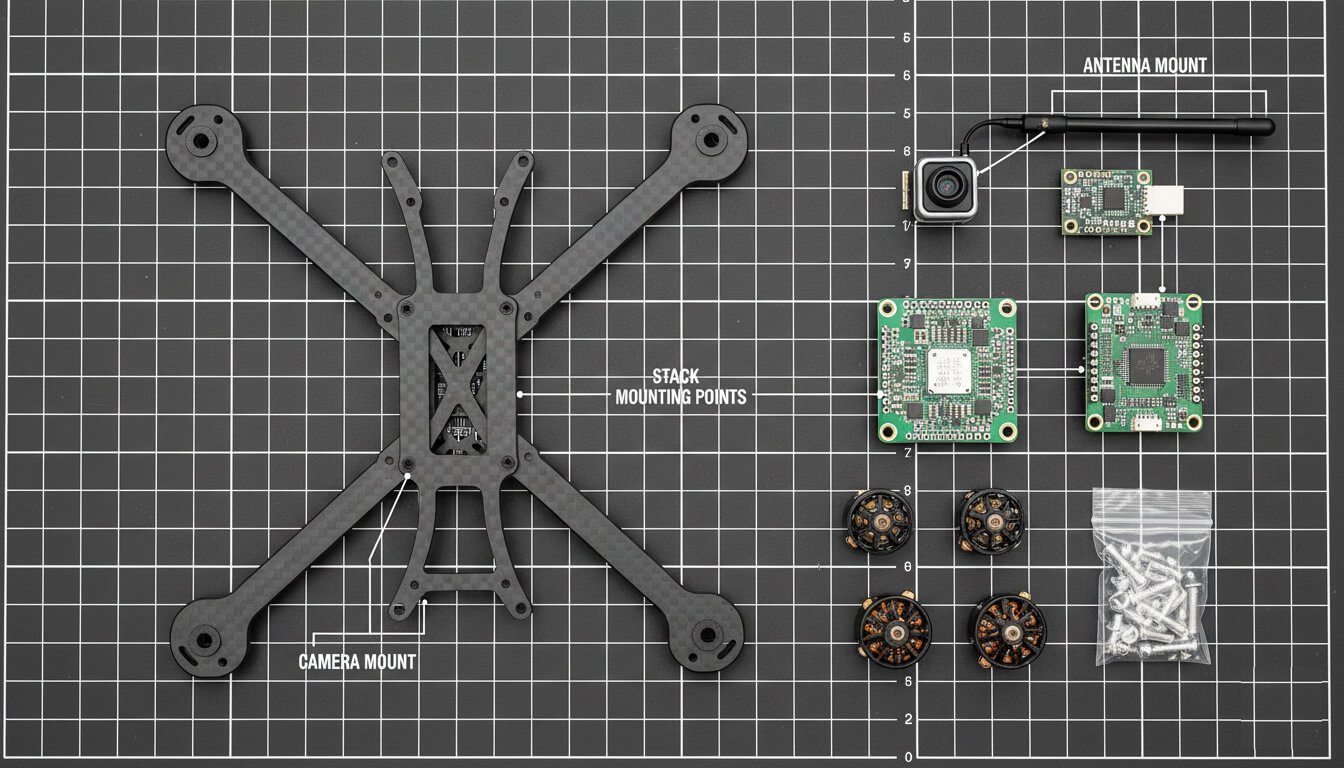
Choose a spot with a clear view ahead. Avoid placing the camera near moving parts. Use a sturdy mount that fits your drone frame tightly. Soft mounts help reduce shaking and vibrations. Align the camera so the horizon stays level during flight. Test the angle before fixing it permanently.
Wiring And Setup
Keep wires short to reduce interference and weight. Secure connections with solder or good connectors. Use heat shrink tubes to protect exposed wires. Match the camera voltage with your drone power supply. Check all wires for tightness before flying. Clean wiring helps avoid shorts and signal loss.
Credit: fpvdroneframe.com
Frequently Asked Questions
What Factors To Consider When Choosing An Fpv Camera?
Consider resolution, field of view, latency, and light performance. These affect image clarity, response time, and flying experience. Also, check size, weight, and compatibility with your drone or goggles for optimal results.
How Does Camera Resolution Impact Fpv Flying?
Higher resolution provides clearer, detailed images, improving navigation and safety. However, it may increase latency and power consumption. Choose a balance that suits your flying style and hardware capabilities.
Why Is Low Latency Important In An Fpv Camera?
Low latency ensures real-time video feed, crucial for fast and precise drone control. High latency causes delays, making flying difficult and increasing crash risks. Always prioritize cameras with minimal lag.
What Role Does Field Of View Play In Fpv Cameras?
A wider field of view offers better situational awareness and immersive experience. Narrow views limit vision, potentially causing blind spots. Select a camera with an FOV that matches your flying needs.
Conclusion
Choosing the right FPV camera affects your flying experience a lot. Think about what you need most: clear pictures, low delay, or good size. Check the camera’s features and compare prices carefully. Don’t forget to read reviews from other pilots.
Test different models if you can. A good camera helps you see better and fly safer. Take your time and pick one that fits your style. Happy flying!