
Are you curious about why pilots and aviation enthusiasts choose multi engine aircraft over single engine planes? Understanding the benefits of multi engine aircraft can open up new possibilities for your flying experience.
From increased safety to better performance, these planes offer advantages that could make a big difference in how you fly. Keep reading to discover how multi engine aircraft can boost your confidence, improve your skills, and expand your horizons in the sky.
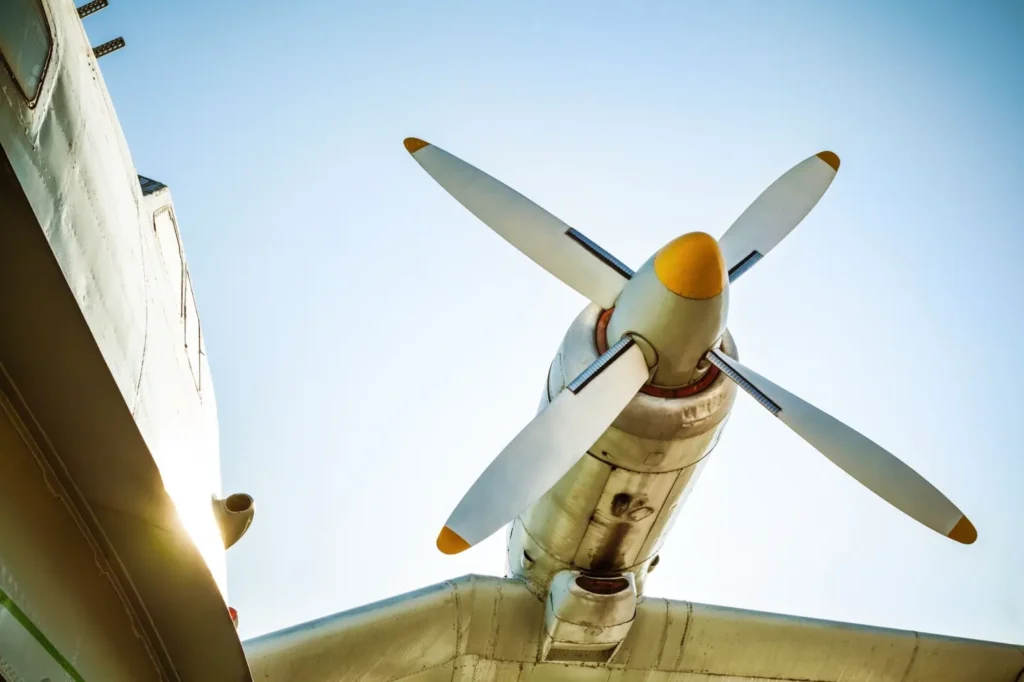
Credit: flyaroundalaska.com
Enhanced Safety
Enhanced safety is a key reason pilots choose multi engine aircraft. These planes offer extra protection in the air. They help pilots handle tough situations better. Safety is not just a feature; it is a priority. Multi engine planes give peace of mind to both pilots and passengers.
Engine Redundancy
Multi engine aircraft have more than one engine. This means if one engine fails, the other keeps working. The plane can still fly safely on a single engine. This backup reduces the risk of a crash. Engine redundancy is a vital safety feature. It helps pilots avoid emergency landings in many cases.
Improved Emergency Handling
With two engines, pilots can manage emergencies better. They have more control over the aircraft during engine failure. Pilots can keep the plane stable and avoid sudden drops. Multi engine planes offer more options for safe landing spots. This capability helps reduce accidents and saves lives.
Better Performance
Multi-engine aircraft offer better performance than single-engine planes. They deliver more power and improve flight capabilities. This makes flying safer and more efficient. Pilots can handle more demanding routes and conditions.
Extra engines mean extra strength. This helps planes fly faster and climb quicker. The performance boost is clear and valuable.
Increased Power Output
More engines mean more total power. Each engine adds to the plane’s thrust. This extra power helps carry heavier loads. It also improves fuel efficiency at higher speeds. Pilots can fly longer distances with ease. The plane remains stable even with one engine off.
Higher Speed And Climb Rates
Multi-engine planes reach higher speeds than single-engine ones. They climb faster to cruising altitude. This saves time on trips. Faster climbs also help avoid bad weather. Pilots gain better control during takeoff and landing. It makes flying smoother and more comfortable.
Greater Range And Payload
Multi engine aircraft offer clear advantages in range and payload. These planes can fly longer distances without stopping. They carry more weight safely than single engine planes. This makes them ideal for longer trips and heavier loads. Pilots and operators benefit from these strengths every day.
Extended Flight Distances
Multi engine planes can cover much greater distances. They have more fuel capacity due to extra engines. If one engine fails, the plane still flies safely. This backup system allows flights over oceans and remote areas. Longer trips reduce the need for frequent stops. This saves time and increases travel options.
Larger Cargo And Passenger Capacity
Extra engines provide more power for heavier loads. Multi engine aircraft can carry more passengers comfortably. They also transport larger amounts of cargo. This capability suits commercial flights and cargo deliveries. Businesses and travelers benefit from fewer trips and more space. The increased payload improves efficiency and lowers costs.
Operational Flexibility
Operational flexibility is a key benefit of multi-engine aircraft. These planes offer pilots more options and freedom during flights. They adapt better to different situations and needs. This flexibility makes flying safer and more efficient.
Versatile Flight Conditions
Multi-engine aircraft can handle tough weather better. They keep flying even if one engine fails. Pilots can fly in clouds, rain, or strong winds with more confidence. This ability reduces delays and cancellations.
They also perform well at higher altitudes. This means smoother flights above bad weather. Passengers enjoy a more comfortable ride. Pilots have more choices for safe routes.
Access To Remote Airports
Multi-engine planes can reach small, remote airports easily. These airports often have shorter runways. One engine planes might struggle to take off or land there. Two engines provide extra power and safety.
This access opens more travel options. It helps in emergencies or special missions. Remote places become easier to visit or supply. Multi-engine aircraft expand the reach of air travel.
Economic Considerations
Economic considerations play a key role in choosing multi-engine aircraft. These planes often come with higher upfront costs. Yet, they offer benefits that can balance or even reduce long-term expenses.
Costs like fuel use and maintenance affect overall spending. Understanding these factors helps pilots and owners make smart decisions.
Fuel Efficiency In Multi-engine Designs
Multi-engine aircraft usually consume more fuel than single-engine types. Each engine needs fuel to run, increasing total consumption. Still, newer multi-engine models use advanced technology. This technology improves fuel burn rates and reduces waste.
Some multi-engine planes fly faster and carry more load. This can lower fuel cost per mile flown. Flying efficiently means saving money over time. Routes and flight plans also affect fuel use. Choosing the right path helps cut fuel expenses.
Maintenance And Operating Costs
Maintenance on multi-engine aircraft is often more expensive. Two or more engines require checks and repairs. Parts and labor costs add up quickly. Regular inspections keep the plane safe but increase costs.
Operating costs also include insurance and hangar fees. These are generally higher for multi-engine planes due to complexity. Training costs for pilots can be greater too. Pilots must learn how to manage multiple engines safely.
Despite these costs, multi-engine planes offer reliability and safety. This can reduce risk and avoid costly emergencies. Careful budgeting helps owners manage these expenses wisely.
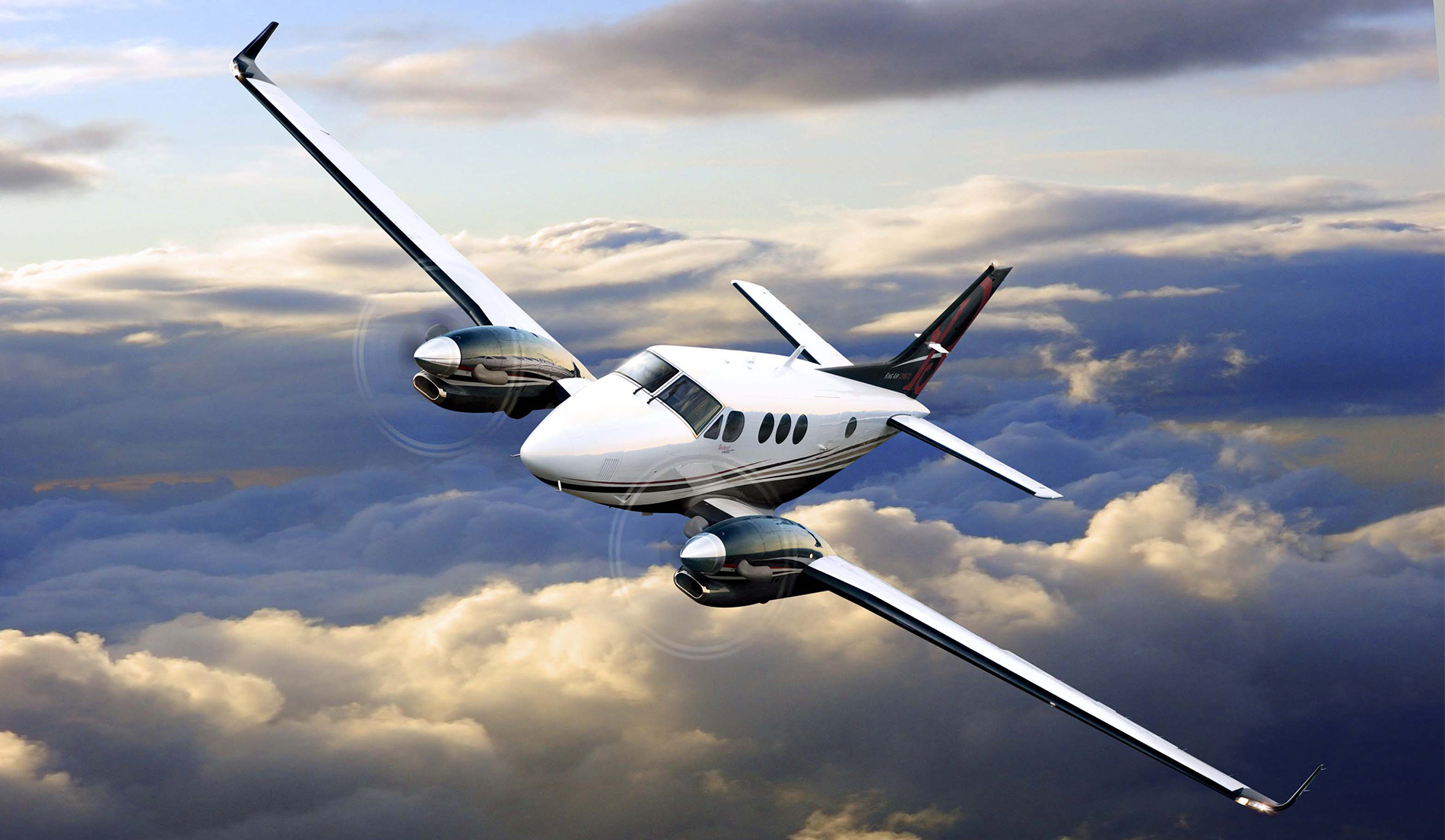
Credit: txtav.com
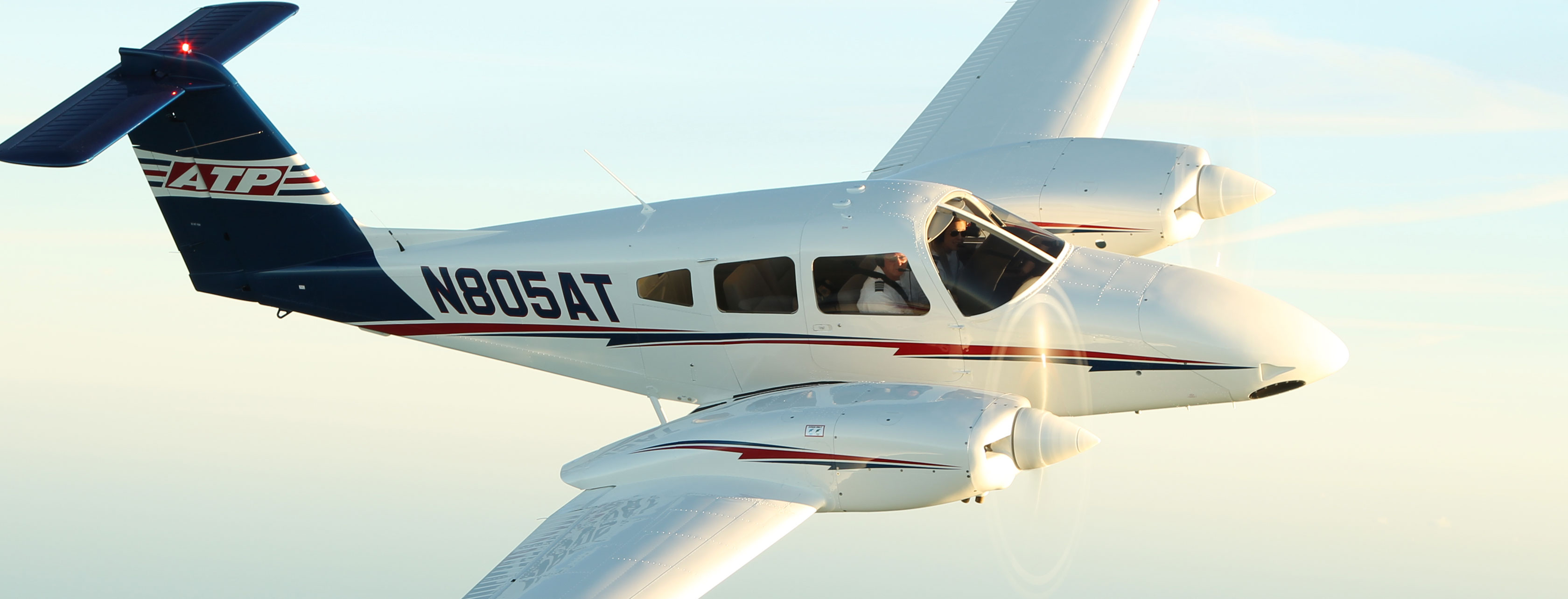
Credit: atpflightschool.com
Frequently Asked Questions
What Are The Main Advantages Of Multi Engine Aircraft?
Multi engine aircraft offer improved safety, better performance, and increased payload capacity. They provide redundancy in case of engine failure and allow for longer flights with heavier loads.
How Do Multi Engine Planes Improve Flight Safety?
They enhance safety by providing a backup engine if one fails. This reduces the risk of forced landings and increases pilot confidence during emergencies.
Are Multi Engine Aircraft More Fuel Efficient Than Single Engine Planes?
Generally, multi engine planes consume more fuel due to additional engines. However, they offer better power management and efficiency on long-distance or heavy-load flights.
What Skills Are Needed To Fly Multi Engine Aircraft?
Pilots require advanced training, including engine-out procedures, systems management, and complex aircraft handling. This ensures safe operation under varied flight conditions.
Conclusion
Multi engine aircraft offer greater safety and reliability in flight. They provide better performance during long trips and carry heavier loads. Pilots can enjoy improved control and stability in various weather conditions. These planes often have more advanced features for navigation and communication.
Choosing a multi engine aircraft means investing in peace of mind and efficiency. Flying becomes more flexible and comfortable for both pilots and passengers. This makes multi engine planes a smart choice for many aviators.