
Are you ready to experience the thrill of flying your very own RC jet? Getting started with RC jet flying might seem tricky at first, but with the right guidance, it can quickly become one of the most exciting and rewarding hobbies you’ll ever try.
Imagine controlling a sleek model jet soaring through the sky, mastering every twist and turn. In this guide, you’ll discover exactly what you need to begin—from choosing the perfect beginner-friendly jet to essential tips that will help you avoid common mistakes.
Whether you want to fly for fun or compete, this article will set you up for success and keep you flying high. Let’s dive in and get your RC jet ready for takeoff!
Choosing Your First Rc Jet
Choosing your first RC jet is an exciting step into the world of remote-controlled flying. It sets the foundation for your flying skills and enjoyment. Picking the right model can make learning easier and more fun. Focus on jets designed for beginners. These models offer stability and simple controls. This helps you build confidence quickly. Consider the features that support easy flying. Also, decide if you want a jet ready to fly or one to build yourself.
Best Models For Beginners
Start with jets known for beginner-friendly design. The E-flite Apprentice S is a top choice. It includes SAFE+ technology for flight stability. Another good model is the HobbyZone Sport Cub S. It offers simple controls and durability. The FMS F-27 Evolution is also popular. It has a sleek design but remains easy to handle. Choose models with good support and parts availability.
Key Features To Look For
Look for jets with stable flight characteristics. Features like gyro stabilization help keep control. Easy-to-use transmitter controls are a plus. Durable materials reduce damage from crashes. Consider models with beginner modes or flight assist. Battery life and charging time matter too. Lightweight jets are easier to fly and control. Safety features improve your learning experience.
Ready-to-fly Vs. Build-your-own
Ready-to-Fly (RTF) jets come pre-assembled. They are perfect for those wanting quick start. You just charge the battery and fly. Build-Your-Own (BYO) models need assembly and setup. This option teaches you about jet mechanics. It may take more time before flying. Beginners often prefer RTF to avoid frustration. BYO suits those wanting a deeper hobby experience.
Essential Equipment
Starting with RC jet flying needs the right equipment for safe and fun flights. Essential gear helps you control and power your jet precisely. It also allows you to practice skills before actual flying. Knowing what equipment to get saves money and avoids frustration.
Below are key items every beginner should consider before taking off. Each piece has a role in successful RC jet flying.
Transmitter And Receiver Basics
The transmitter sends your commands to the jet. The receiver in the jet listens and acts on these commands. Choose a transmitter with at least four channels for basic control. More channels add advanced functions like flaps or lights.
Pick a transmitter that feels comfortable in your hands. Make sure the receiver matches your transmitter brand and model. A good signal range is important to keep control during flight.
Battery Options And Chargers
RC jets usually use lithium polymer (LiPo) batteries for power. LiPo batteries are lightweight and deliver high energy. Always use a charger designed for LiPo batteries to avoid damage or fire.
Start with batteries that offer a good balance of flight time and weight. Carry spare batteries for longer flying sessions. Monitor battery voltage during flights to prevent crashes.
Flight Simulators For Practice
Flight simulators help you learn controls and practice flying safely. They mimic real RC jet behavior on your computer. Using a simulator reduces crashes and builds confidence.
Many simulators work with your transmitter for realistic training. Spend time with a simulator before flying your jet outdoors. This practice improves your reaction and control skills.
Pre-flight Setup
Preparing your RC jet before flight ensures safety and better control. The pre-flight setup is a crucial step every pilot must follow. This process involves assembling the jet correctly, checking all control surfaces, and balancing the plane. Proper setup leads to smoother flights and reduces risks of crashes.
Taking time for these checks builds confidence and improves your flying experience. Here are the key tasks to focus on before your first flight.
Assembling Your Rc Jet
Start by carefully joining all parts of the jet. Follow the instructions from the manual step by step. Secure wings, tail, and fuselage firmly. Use the right tools to avoid damage. Tighten screws without overdoing it. Double-check connections to prevent loose parts during flight. Assembly ensures your jet is ready for control and stability.
Checking Control Surfaces
Control surfaces include ailerons, elevators, and rudders. Make sure they move freely and respond to your transmitter commands. Test each surface by moving the sticks on your controller. Look for smooth, precise movements without any sticking. Check linkages for tightness and no play. Faulty control surfaces can cause loss of control mid-air.
Balancing And Center Of Gravity
Proper balance keeps your jet stable in the sky. Find the center of gravity (CG) as recommended in the manual. Use a balancing tool or your fingers to check. Adjust weight by adding small amounts of lead or moving components if needed. A balanced jet flies straighter and reacts better to controls. Avoid flying if the balance is off.
Basic Flying Techniques
Learning the basic flying techniques is key to enjoying RC jet flying safely. These skills help you control your jet smoothly and avoid crashes. Focus on understanding how to take off, land, control speed, altitude, and maneuver your jet.
Practicing these basics builds confidence and makes flying more fun. Start slow and keep your movements gentle. Each flight will improve your control and awareness.
Takeoff And Landing Tips
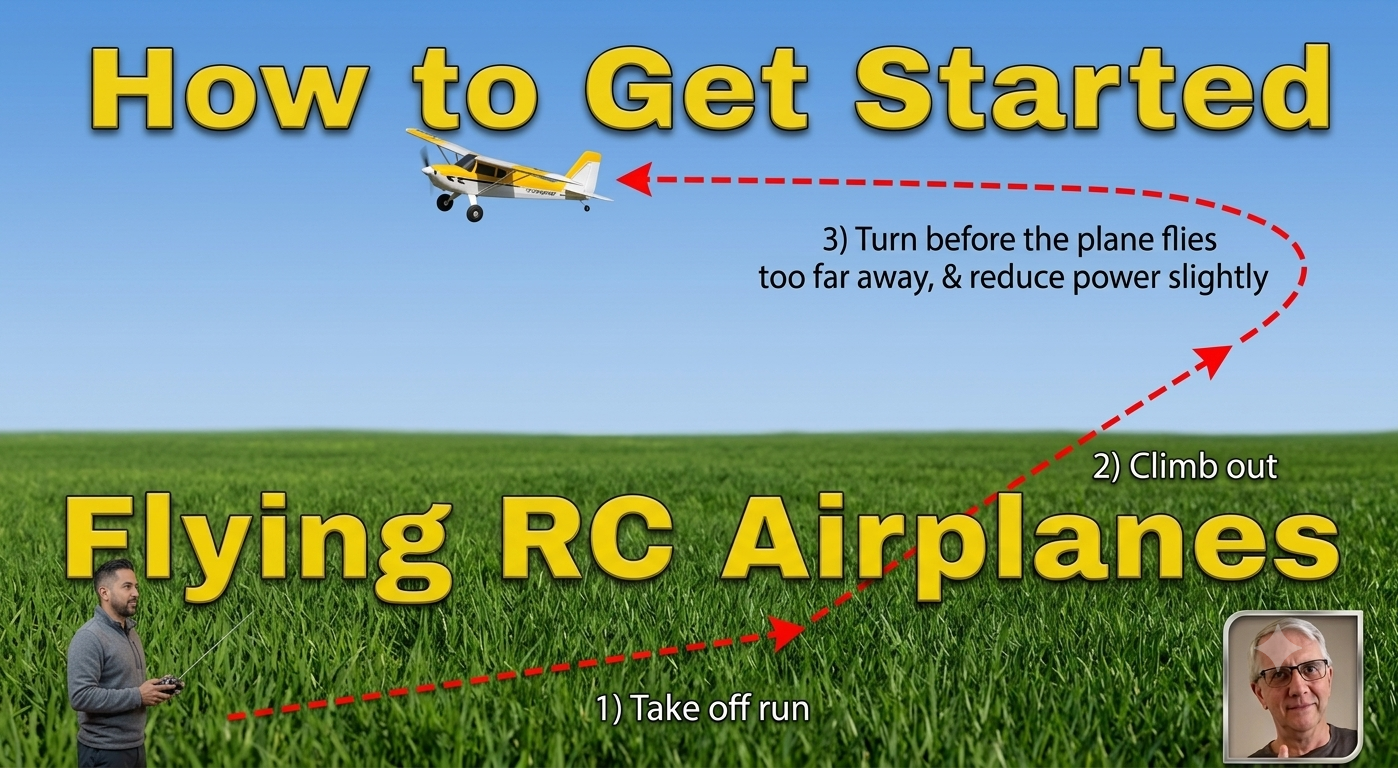
Always check your jet before takeoff. Make sure batteries are charged and controls work well. Use a straight path for takeoff. Gently increase throttle to lift off smoothly.
For landing, reduce speed gradually. Aim for a clear, flat area. Keep the jet steady and aligned with the runway. Lower the throttle carefully to touch down softly.
Controlling Speed And Altitude
Adjust throttle to control speed. More throttle means faster speed and climbing. Less throttle slows the jet and lowers altitude. Keep small, smooth adjustments for steady flying.
Watch your jet’s response closely. Avoid sudden speed changes to prevent loss of control. Practice maintaining a steady altitude before trying more complex moves.
Maneuvering Safely
Start with gentle turns and slow climbs. Avoid sharp or fast maneuvers early on. Keep your jet within your line of sight at all times.
Practice basic turns, climbs, and descents before attempting loops or rolls. Always fly in open spaces away from people and obstacles. Safety is the top priority.
Common Mistakes To Avoid
Starting with RC jet flying is exciting but can be tricky. Many beginners make simple mistakes that lead to crashes or poor performance. Avoiding these errors saves time, money, and frustration. Below are some common mistakes to watch out for in your RC jet flying journey.
Servo Overload Issues
Servos control the jet’s moving parts. Overloading servos can cause them to fail mid-flight. This happens when the servo is too small or weak for the control surface. Always match the servo size to the jet’s requirements. Test the servo under load before flying. Make sure it moves smoothly without straining. Replace any servo that struggles or overheats during tests.
Improper Linkage Setup
Linkages connect servos to control surfaces. Poor setup leads to poor control response and crashes. Check all connections for tightness and correct alignment. Avoid loose or bent linkages that can slip or bind. Use proper hardware like clevises and ball links for secure joints. Test the full range of motion to ensure smooth, free movement. Adjust linkages carefully to avoid over-travel or binding.
Ignoring Weather Conditions
Weather plays a big role in RC jet flying. Strong winds can make jets hard to control or cause crashes. Rain or moisture can damage electronics. Always check the weather forecast before flying. Choose calm, dry days for your first flights. Avoid flying in gusty or stormy conditions. Learning to fly in stable weather helps build confidence and skill safely.
Troubleshooting Flight Problems
Troubleshooting flight problems is a key skill for every RC jet pilot. Small issues can cause big flight challenges. Quick fixes help keep your RC jet flying smoothly and safely.
Understanding common flight problems saves time and frustration. This section covers practical tips on handling stalls, power checks, and control adjustments. Clear steps guide you through common troubles.
Handling Stalls And Nose Drops
Stalls occur when the jet loses lift and drops suddenly. This happens if the speed is too low or the angle is too steep. To recover, lower the nose gently and add throttle to regain speed. Avoid sharp movements to prevent further loss of control.
Practice stall recovery at low altitude to build confidence. Watch your jet’s behavior closely and respond early. Smooth, steady control inputs reduce the risk of crashes.
Power And Thrust Checks
Power issues often cause poor performance or unexpected drops. Check battery levels before flight to ensure full charge. Inspect the motor and propeller for damage or dirt that can reduce thrust.
Test the throttle response on the ground before takeoff. If power feels weak or uneven, recheck connections and settings. Consistent thrust is crucial for stable flight and good control.
Adjusting Control Throws
Control throws are how far your control surfaces move. Too much throw causes overcontrol and instability. Too little throw makes the jet slow to respond. Adjust throws according to your skill level and jet type.
Start with small throws and increase gradually. Use your transmitter to set limits on elevator, aileron, and rudder movements. Proper control throws make flying easier and safer.
Maintenance And Repairs
Maintenance and repairs keep your RC jet flying smoothly and safely. Regular care helps avoid bigger problems later. Simple checks and fixes improve your flying experience. Learning basic repairs saves time and money.
Inspecting After Flights
Always check your RC jet after each flight. Look for cracks, loose parts, or worn-out areas. Check the propellers and wings carefully. Inspect the landing gear for damage or bends. Make sure all screws are tight and secure. Clean dirt and dust from the jet’s surface. Small problems catch early, preventing bigger damage.
Fixing Common Damages
Minor crashes may cause broken wings or loose parts. Use glue made for plastic or foam to fix cracks. Replace broken propellers or bent landing gear parts. Tighten or replace screws that come loose. Check the control surfaces like ailerons and rudders for smooth movement. Fix wires or connectors that might be loose or damaged. Repairing small damages keeps your jet ready to fly.
Upgrading Components
Upgrades improve your jet’s performance and durability. Replace stock motors with stronger, more efficient ones. Upgrade batteries for longer flight times. Install better servos for faster control response. Choose stronger landing gear for rougher landings. Use lightweight materials to reduce jet weight. Upgrading parts helps your RC jet fly better and last longer.
Finding Local Flying Spots
Finding the right place to fly your RC jet is crucial for a great experience. Local flying spots offer safe and open areas perfect for beginners and experts alike. These spots often provide a supportive environment where you can practice and improve your skills. They also help you connect with others who share your interest in RC jets.
Exploring local options helps you understand the rules and safety measures needed. It also opens opportunities to join clubs and participate in events. Let’s explore how to find and enjoy local flying spots.
Joining Rc Clubs
RC clubs are a great place to start flying your jet. They provide access to designated flying fields. Members share tips and advice to help you learn quickly. Clubs often have instructors to guide beginners. Joining a club connects you with a friendly community. You can meet people who fly similar models. Clubs may offer group flights and social gatherings.
Safety And Regulations
Flying RC jets requires following safety rules. Local laws may limit where and how you can fly. Some areas require permits or membership in a club. Always check for no-fly zones near airports or crowded places. Use safety gear like goggles and gloves. Keep a safe distance from people and animals. Respect other flyers and the environment at all times.
Community Events And Competitions
Community events are fun ways to improve your flying skills. Competitions challenge pilots with different tasks and flight styles. Events often include demonstrations and workshops. They provide a chance to see new models and technology. Attending these events helps you learn from experienced pilots. You can make friends and share your passion for RC jets. Events also motivate you to practice and fly better.
Frequently Asked Questions
How Long Does It Take To Learn To Fly An Rc Plane?
Learning to fly an RC plane can take from two weeks to a full flying season. Practice daily for faster progress. A good instructor speeds learning and makes it enjoyable. Consistent practice and patience ensure steady improvement and confidence in flying.
What Are The Common Mistakes When Building Rc Planes?
Common mistakes include overloading servos, ignoring leverage issues, weak linkages, poor assembly, and insufficient pre-flight stress testing.
What Is The Best Rc Plane For A Beginner?
The E-flite Apprentice S is the best RC plane for beginners. It features SAFE+ technology, durability, and includes a simulator for easy learning.
Why Won’t My Rc Plane Fly?
Your RC plane might not fly due to incorrect trim settings, weak battery, damaged parts, or poor control input. Check motor, propeller, and transmitter before flying.
Conclusion
Starting with RC jet flying takes patience and practice. Begin with simple models designed for beginners. Always check your equipment before each flight to avoid issues. Practice in open, safe areas to build confidence. Learn step-by-step and enjoy small successes along the way.
Remember, every pilot started as a beginner too. Keep flying, stay safe, and have fun with your RC jet adventures.