
Are you ready to take your RC flying skills to the next level? Learning how to hand launch an RC plane is a game-changer that puts you in full control from the very first second.
Whether you’re a beginner eager to avoid common mistakes or an experienced pilot looking for smoother takeoffs, these useful tips will help you launch confidently every time. Keep reading to discover simple, practical advice that makes hand launching safe, easy, and fun—so your plane gets airborne like a pro right out of your hand!
Credit: kdfoundation.org
Preparing Your Rc Plane
Preparing your RC plane carefully helps ensure a smooth and safe hand launch. This step reduces the chance of crashes and improves flight control. Take time to check your plane before every flight.
Focus on key areas like balance, control surfaces, and throttle settings. These checks build confidence and make flying more enjoyable.
Checking Balance And Cg
Balance is critical for stable flight. Locate the center of gravity (CG) as per your plane’s manual. Hold the plane gently at the CG point to see if it tips forward or backward.
If it tilts, adjust the battery or add small weights to balance it. A well-balanced plane flies smoothly and responds well to controls.
Inspecting Control Surfaces
Check all control surfaces like ailerons, elevator, and rudder. Make sure they move freely without sticking. Look for cracks or loose hinges that can affect control.
Test the servos and linkages by moving the sticks on your transmitter. Confirm that each control surface moves in the correct direction.
Setting Throttle And Controls
Set your throttle to a low idle before launch. This prevents sudden power surges that might throw off your grip. Calibrate your transmitter so controls respond smoothly.
Double-check trims to ensure the plane flies straight with neutral sticks. Proper throttle and control setup help you launch with confidence and ease.

Credit: www.youtube.com
Choosing The Right Launch Spot
Choosing the right launch spot is key for a smooth hand launch of your RC plane. Picking a good location helps avoid crashes and gives your plane the best chance to fly well. Consider space, wind, and safety before you throw your plane into the air.
Open Space And Wind Conditions
Find a large open area with no tall trees or buildings nearby. Open space lets you launch without hitting anything. Check the wind direction and speed. Launch into the wind for better lift and control. Avoid strong gusts that can push your plane off course.
Avoiding Obstacles
Look around for any obstacles like power lines, poles, or fences. These can damage your plane if you crash into them. Keep a clear path in front of you. Also, avoid crowded areas to protect people and pets from accidents.
Safety Precautions
Always make sure no one stands in your launch path. Tell others to stay clear and watch carefully. Wear eye protection in case the plane slips during launch. Check your plane for loose parts before throwing it. A safe launch spot keeps everyone and your plane safe.
Hand Launch Techniques
Hand launching an RC plane requires skill and careful technique. It ensures a smooth takeoff and protects your model from damage. Proper hand launch techniques improve flight control and boost your confidence. Focus on grip, throttle, and throwing angle to get the best start.
Proper Grip And Hold
Hold the plane firmly but not too tight. Grip the fuselage near the center of gravity. Avoid holding the wings or tail to prevent damage. Keep your fingers clear of the propeller area. Support the plane so it stays level and steady before launch.
Throttle Management
Set the throttle to about half or a quarter power before launch. This gives the plane enough thrust to climb smoothly. Avoid full throttle at launch to reduce stress on the airframe. Increase throttle gradually as the plane leaves your hand. This helps maintain control and steady acceleration.
Throwing Angle And Force
Throw the plane slightly upward at about a 10 to 15-degree angle. This angle helps the plane gain altitude quickly. Use a smooth, controlled force—strong enough to clear your hand but not too hard. Too much force may cause instability or damage. Practice gentle, consistent throws for better results.
Credit: amaglider.com
Common Mistakes To Avoid
Hand launching an RC plane is a skill that needs practice. Avoiding common mistakes helps you get better results and keeps your plane safe. Many beginners make errors that cause crashes or damage. Knowing what to avoid saves time and money.
Launching At Full Throttle
Starting your plane at full throttle is risky. The sudden power can pull the plane down or cause it to spin. Use a moderate throttle to keep control during launch. Gradually increase power once the plane is steady in the air. This method reduces stress on the motor and improves flight stability.
Incorrect Throwing Angle
The angle you throw your plane matters a lot. Throwing too high makes the plane stall and fall quickly. Throwing too low can cause it to hit the ground or lose speed. Aim for a gentle, level toss that matches the plane’s natural flight path. This helps the plane gain smooth lift and stay stable.
Ignoring Plane Balance
Balance is key for a successful flight. If your plane is nose-heavy or tail-heavy, it will not fly well. Check the center of gravity before launching. Adjust weights or battery position to keep the balance near the recommended spot. Proper balance improves control and prevents crashes during hand launch.
Tips For Different Plane Types
Different RC planes need different hand launch techniques. Knowing the right method for your plane type helps you fly safely and smoothly. Each type reacts to launch force and angle in unique ways. Follow these tips for a better start and longer flight time.
Launching Propeller Planes
Hold the plane firmly by the fuselage or wing root. Set the throttle to about half power before launch. Toss the plane gently but firmly forward and slightly upward. Keep the plane level to avoid stalling. As it leaves your hand, increase throttle to full power. This helps the propeller gain speed fast. Avoid throwing too hard to prevent damage or loss of control.
Launching Edf Jets
EDF jets need a smooth, strong launch. Hold the plane under the fuselage with fingers away from the intake. Start the throttle at about 70% power before launch. Toss the jet with a firm, straight forward motion. The plane needs speed quickly to keep stable. Keep the nose level or slightly upward. Avoid slow or weak throws to stop stalling or falling.
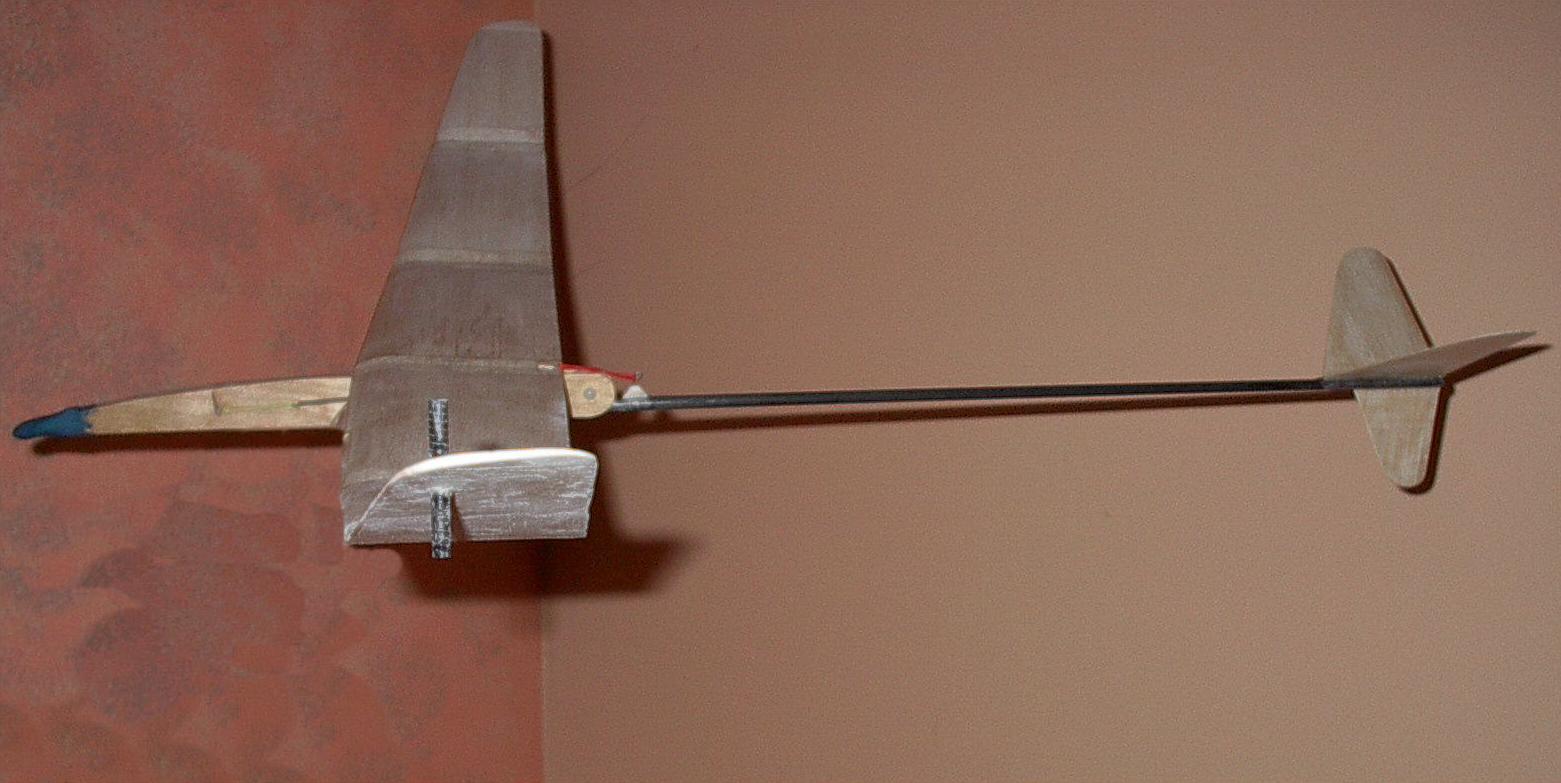
Launching Gliders
Gliders need a gentle but steady throw. Hold the plane by the fuselage or wing root. No throttle is needed since gliders have no motor. Toss the glider upward at a 30 to 45-degree angle. Aim for a smooth, controlled release. This gives the glider height and time to find lift. Avoid harsh or low-angle throws to prevent quick drops or spins.
Post-launch Handling
Post-launch handling is the key to a smooth flight after you throw your RC plane. It helps keep the plane steady and avoids crashes. Careful control right after launch sets the tone for the whole flight.
Focus on small, careful movements. Watch your plane closely to catch any early signs of trouble. This section shares easy tips for managing your plane after launch.
Adjusting Controls In Flight
Once your plane is airborne, adjust the controls gently. Use small stick movements on your transmitter. Avoid sudden changes to keep the plane stable.
Check if the plane drifts left or right. Make tiny corrections with the rudder. If it climbs or dives too fast, adjust the elevator slightly. Keep the throttle steady to maintain speed.
Maintaining Stable Flight
Stable flight needs constant attention. Keep your plane level by watching the horizon. Use the ailerons to balance side to side.
Fly smoothly with calm, steady inputs. Avoid sharp turns right after launch. This reduces the risk of stalls or spins. Practice flying in calm weather to build confidence.
Safe Landing Practices
Plan your landing early. Slow down by reducing throttle gradually. Lower the nose slightly to approach the ground gently.
Choose a clear spot free of obstacles. Keep the plane straight and steady during descent. Touch down softly to prevent damage. Cut the throttle once the plane lands fully.
Tools And Accessories
Having the right tools and accessories makes hand launching an RC plane easier and safer. Proper equipment helps control the plane and protects you. This section covers essential gear you need for smooth launches.
Using Neck Straps For Transmitters
Neck straps keep your transmitter secure and hands-free. They reduce hand fatigue during long flights. The strap holds the transmitter steady, letting you focus on the launch. Choose adjustable straps for a comfortable fit. This simple tool improves control and safety.
Hand Launch Trays
Hand launch trays provide a firm grip on the plane. They protect your hand from the propeller’s blades. The tray offers a flat surface to balance the plane before launch. Using one helps you throw the plane smoothly. This accessory is especially useful for larger models.
Safety Gear
Wearing safety gear protects you from accidents during launch. Gloves shield your hands from sharp parts and engine heat. Safety glasses guard your eyes against debris or propeller strikes. Always wear closed-toe shoes to protect your feet. Safety gear keeps flying fun and injury-free.
Frequently Asked Questions
How To Hand Launch An Rc Plane?
Hold the RC plane firmly, apply quarter to half throttle, and toss it gently forward and level. Immediately increase throttle as it clears your hand.
What Are The Common Mistakes When Building Rc Planes?
Common mistakes include overloading servos, ignoring leverage issues, using weak linkages, poor stress testing, and allowing flex or movement in parts.
What Is The Secret Button On The Airplane Seat?
The secret button under airplane armrests lifts the armrest for easier wheelchair access. It helps passengers board smoothly.
Is Rc Plane An Expensive Hobby?
RC planes can be affordable or costly, depending on model quality and accessories. Beginners often start with budget-friendly kits.
Conclusion
Hand launching an RC plane can be simple with the right approach. Always check your plane and surroundings before launch. Use a gentle, steady toss to keep control. Keep your throttle ready to power up quickly. Practice often to build confidence and skill.
Safety matters, so stay alert and aware. Following these tips helps ensure smooth flights every time. Enjoy the thrill of flying your RC plane by hand!