
Flying an RC plane on a windy day can be frustrating if you don’t have the right model. You want a plane that stays steady, responds well, and keeps you in control, no matter how strong the gusts get.
But how do you choose the best RC plane for windy conditions? This guide will help you understand what features matter most when the wind picks up. By the time you finish reading, you’ll know exactly what to look for so your flights stay smooth and enjoyable, even when the breeze turns into a challenge.
Ready to fly with confidence? Let’s dive in.
Wind Effects On Rc Planes
Wind plays a major role in flying RC planes. It can change how the plane moves and reacts in the air. Understanding these effects helps you pick the right plane for windy conditions.
Types Of Wind Impact
Crosswinds push the plane sideways. They can make takeoff and landing tricky. Headwinds come from the front. They help lift the plane and shorten takeoff distance. Tailwinds blow from behind. These can speed up the plane but reduce control. Windshear means sudden changes in wind speed or direction. It is dangerous and can cause loss of control.
Challenges In Windy Conditions
Strong winds can cause the plane to shake or drift off course. Small planes often react more to gusts. Flying in crosswinds requires careful control to avoid drifting. Turbulence can make it hard to keep the plane stable. Pilots must be alert and ready to adjust quickly. Choosing a plane with good weight and stability helps handle these challenges better.
Key Plane Features For Windy Flights
Choosing the right RC plane for windy conditions means understanding key features that improve flight control and safety. Planes built for wind have specific traits that help them stay stable and responsive. These features reduce the effect of gusts and make flying more enjoyable. Focus on wing loading, plane size, weight, and control surface design. Each plays a crucial role in handling strong winds.
Wing Loading And Stability
Wing loading is the weight of the plane divided by the wing area. Higher wing loading means the plane cuts through the wind better. It resists being pushed around by gusts. Planes with low wing loading tend to drift and shake more. Stability improves with moderate to high wing loading. This helps keep the plane steady and easier to control in windy weather.
Plane Size And Weight
Bigger and heavier planes handle wind better. They have more mass to resist sudden gusts. Small, light planes feel every puff of air and can become hard to fly. Larger planes also tend to have stronger frames. This helps prevent damage from rough air. Choose a plane that is not too light or too small for windy flights.
Control Surface Design
Control surfaces like ailerons, elevators, and rudders must be well-designed for windy conditions. Larger control surfaces offer more precise handling. They allow quick corrections during gusts. Some planes have balanced or aerodynamic control surfaces that reduce drag. This helps maintain smooth flight and better response. Look for planes with robust control surfaces for wind flying.
Best Rc Plane Designs For Wind
Choosing the right RC plane design helps you fly safely in windy conditions. Some designs handle wind better by staying stable and easy to control. Understanding the key features helps you pick a model that suits windy weather.
Several design elements affect how an RC plane performs in wind. Wing placement, propeller type, and stabilization technology all play important roles. These factors improve flight control and reduce the impact of gusts.
High-wing Vs Low-wing Models
High-wing planes have wings mounted above the fuselage. This design offers better stability and easier control in wind. High-wing models resist rolling and help keep the plane steady.
Low-wing planes have wings attached below the fuselage. They are more agile but less stable in windy conditions. Low-wing planes may feel harder to control when gusts push from the side.
For windy days, high-wing models often provide a smoother flying experience. They are forgiving and better for beginners or windy environments.
Pusher Prop Vs Tractor Prop
Pusher prop planes have the propeller at the back. This setup reduces airflow disruption over the wings. It can improve stability and reduce sudden shifts caused by wind.
Tractor prop planes have the propeller at the front. They offer better thrust and speed but may feel less stable in strong winds. The airflow from the propeller can create turbulence on the wings.
Choosing a pusher prop model can help maintain smoother flight in gusty conditions.
Gyro Stabilization Benefits
Gyro stabilization helps the plane stay level during flight. It detects unwanted rotation and corrects it automatically. This feature reduces the effects of wind pushing the plane off course.
Planes with gyro systems are easier to control in strong winds. They stay steady and respond better to pilot commands. Gyro stabilization is a helpful feature for flying in challenging weather.
Pilot Skills And Techniques
Pilot skills and techniques play a vital role in flying RC planes during windy conditions. Good control and quick reactions help maintain stability and prevent crashes. Pilots must adapt their flying style to handle strong winds safely. Practice and understanding of wind effects improve flight performance.
Handling Crosswinds
Crosswinds push the plane sideways, making control difficult. Pilots should apply opposite rudder to counter the wind’s force. Keeping the plane steady requires smooth, small control inputs. Approaching the runway at an angle helps manage sideways wind during landing. Constant attention to wind direction is necessary for safe flight.
Adjusting Flight Patterns
Changing flight patterns can reduce wind impact on the plane. Flying in figure-eight or circular patterns avoids long exposure to strong winds. Keeping the plane closer to the pilot improves visual control. Lowering altitude slightly can help avoid strong gusts at higher levels. Adjusting speed helps maintain stability in varying wind speeds.
Using Flight Simulators For Practice
Flight simulators offer a safe way to practice windy conditions. They allow pilots to experience crosswinds and gusts without risking damage. Simulators help build muscle memory for quick, correct control inputs. Regular practice on simulators increases confidence before flying outdoors. Many simulators include wind settings to mimic real conditions.
Recommended Rc Planes For Windy Conditions
Choosing the right RC plane for windy conditions improves control and flight stability. Certain models handle gusts better and resist turbulence. This section lists recommended RC planes suited for breezy days. The choices include beginner-friendly options and advanced picks. Each model offers features that help maintain smooth flight in wind.
Top Beginner-friendly Models
The HobbyZone Sport Cub S is a strong beginner choice. It has a large wing area and slow flying speed. This helps it stay steady in light to moderate wind. Its durable build withstands rough landings common in windy flights.
The E-flite Apprentice STS is another good option. It includes stability assist technology that helps keep the plane balanced. Its high-wing design improves lift and control in wind. The Apprentice is easy to repair and maintain.
The Flyzone Sensei FS is also beginner-friendly. It features a robust airframe and smooth handling. The plane’s weight supports better wind resistance. It responds well to pilot input, making it easier to correct drift.
Mid-level And Advanced Picks
The FMS Ranger EX is ideal for pilots with some experience. This model has a solid build and heavy fuselage. It cuts through strong wind and holds steady. The Ranger EX features a powerful motor for quick adjustments in gusts.
The E-flite Timber X is a versatile choice for advanced flyers. Its high wing and wide body add stability. It performs well in crosswinds and turbulent air. The Timber X is responsive, allowing skilled pilots to navigate tricky wind.
The Multiplex FunCub XL offers excellent wind handling for advanced users. Its large size and weight provide strong resistance to wind. It has precise controls and smooth flight characteristics. This plane suits those who want to fly confidently on windy days.
Safety Tips For Windy Flying
Flying RC planes in windy conditions requires extra care and preparation. Safety becomes the top priority to protect your model and yourself. Follow these safety tips to ensure a smooth and safe flying experience.
Wind Speed Limits To Follow
Always check the wind speed before flying. Avoid flying if winds exceed 15 mph. Stronger winds can cause loss of control. Smaller planes handle less wind than larger ones. Respect the wind limits specified by your plane’s manual. Flying beyond these limits risks crashes and damage.
Pre-flight Checks
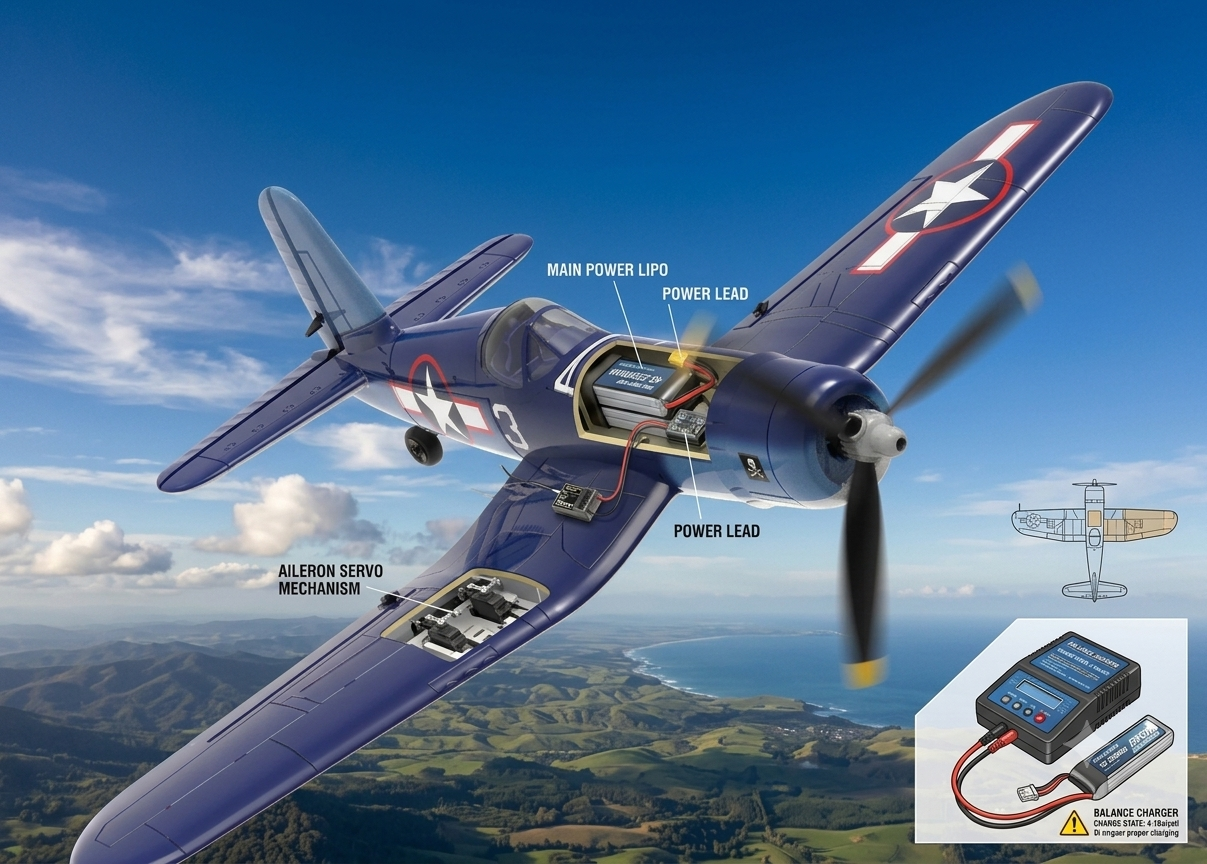
Perform thorough pre-flight checks each time. Inspect all control surfaces for tightness and proper movement. Check battery levels and connections to avoid power loss. Ensure the radio signal is strong and clear. Confirm the propeller and motor are secure. These checks help prevent failures during windy flights.
Emergency Procedures
Prepare for emergencies before you fly. Have a clear plan if the plane drifts or loses control. Practice quick landing techniques in open spaces. Know how to cut power safely to avoid crashes. Carry a first aid kit for minor injuries. Staying calm and ready reduces risks in emergencies.
Maintenance For Wind-exposed Rc Planes
Maintenance plays a key role in keeping RC planes safe and functional in windy conditions. Wind exposure can cause wear and tear on your model. Regular care helps prevent damage and extends the life of your plane. Focus on checking critical parts and protecting sensitive electronics to ensure stable performance.
Inspecting For Wind Damage
Check your RC plane after every flight in strong winds. Look for cracks or dents on the wings and fuselage. Inspect control surfaces like rudders and ailerons for looseness or damage. Examine the landing gear for bends or breaks. Tighten all screws and bolts to avoid parts coming loose during flight. Early detection of damage prevents bigger problems later.
Protecting Electronics And Servos
Electronics and servos are vulnerable to wind-driven dust and moisture. Use waterproof covers or sealant sprays to shield these components. Keep battery compartments clean and dry. Avoid flying near water or wet grass to reduce risk. Test servo movements regularly to ensure smooth operation. Proper protection helps maintain control and prevents failures caused by harsh wind exposure.
Frequently Asked Questions
What Rc Plane Can Handle Wind?
The AeroScout is ideal for windy conditions due to its stability and gyro stabilization. Bigger, heavier RC planes also handle wind better. Choose models with high wing loading and strong control surfaces for improved wind resistance.
How Windy Is Too Windy To Fly Rc Plane?
Flying RC planes becomes risky above 15-20 mph wind speeds. Smaller planes struggle; larger, heavier models handle wind better. Avoid flying in gusty or turbulent conditions.
Do Bigger Planes Handle Wind Better?
Bigger planes handle wind better due to greater mass, which reduces turbulence effects. They remain more stable in gusty conditions than smaller planes.
How Windy Is Too Windy For A Plane To Take-off?
Planes typically limit crosswind takeoff to about 20-30 knots. Sudden windshear or gusts can ground flights regardless of speed. Pilots assess wind type, runway, and aircraft limits to decide safety. Headwinds aid takeoff, while strong side winds or tailwinds increase risk.
Conclusion
Choosing the best RC plane for windy conditions takes careful thought. Focus on planes with good stability and weight. Look for designs that handle gusts without losing control. Larger planes often perform better in strong winds. Remember to check the plane’s wind rating before flying.
Practice flying in mild wind to build confidence. Safe and enjoyable flights come from smart choices and preparation. Keep these tips in mind for your next windy day flight.