
If you’ve ever dreamed of soaring your own remote-controlled plane through the sky, you’re not alone. But with so many options out there, how do you make sure you pick the best RC plane for your needs?
Whether you’re a complete beginner or looking to upgrade, buying the right RC plane can feel overwhelming. That’s why this guide breaks everything down for you—step by step. By the time you finish reading, you’ll know exactly what to look for, what to avoid, and how to find a model that matches your skill level and flying style perfectly.
Ready to take off with confidence? Let’s dive in!
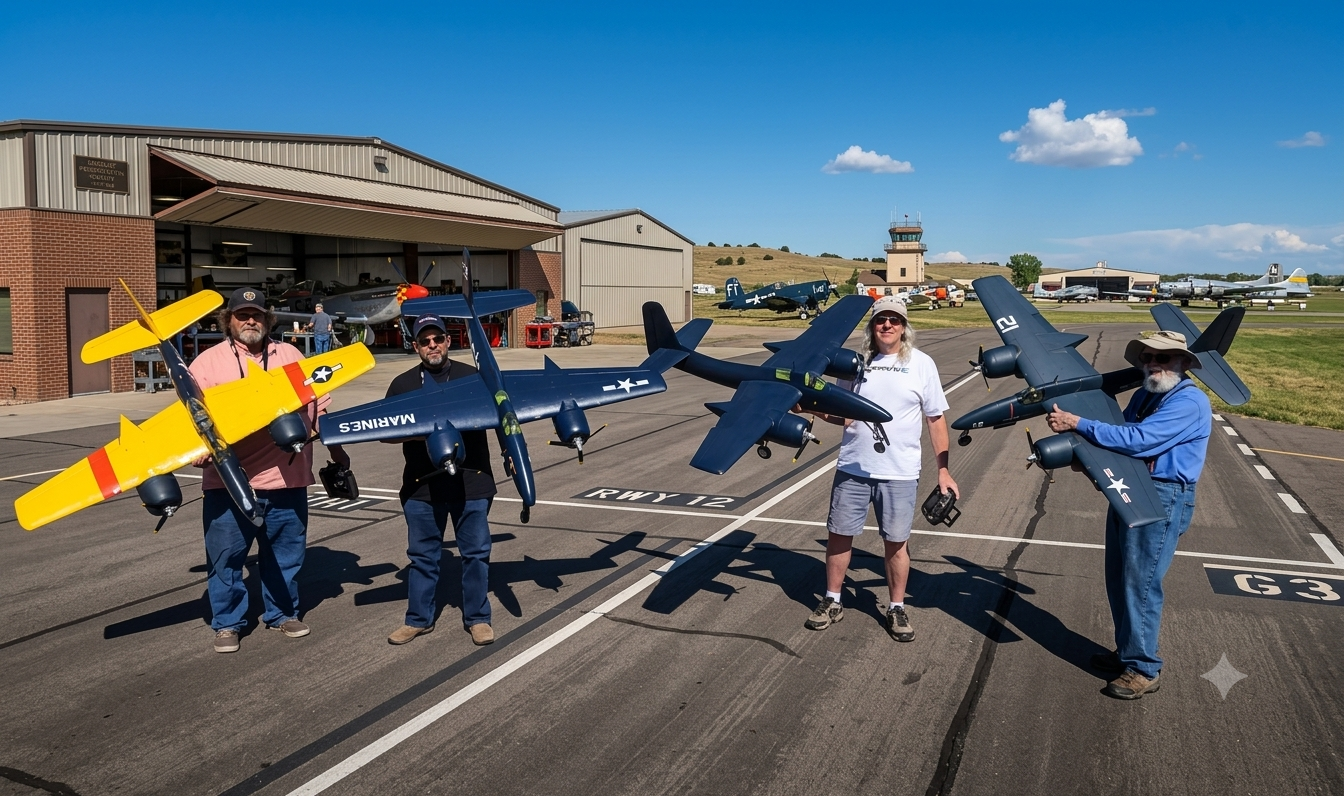
Top Picks By Category
Choosing the right RC plane can feel overwhelming due to many options. Sorting top models by category helps narrow choices. Each type suits different flying styles and skill levels. Below are the best picks in key categories to guide your decision.
Best Sport/motor Glider
The E-flite UMX Conscendo stands out as the best sport/motor glider. It offers easy launch and smooth landings. Its lightweight design improves flight control and duration. Perfect for those who enjoy calm, graceful flights. The motor assists with steady climbs and long glides. This model balances performance with beginner-friendly handling.
Largest Rc Plane
The Ramy RC plane holds the title for the largest RC plane. Its massive size creates a unique flying experience. This plane demands more skill but delivers impressive stability. Test flights showcase its smooth control despite size. Ideal for experienced pilots seeking a standout model. The large frame also allows for detailed scale features.
Best Trainer Models
Trainer models focus on ease of use and durability. They help beginners learn controls safely and confidently. The Dynam Primo (SRTF) is a top trainer with Auto-Balance-System technology. It self-levels to prevent crashes and aids recovery. Many trainers come as Ready-To-Fly kits including all essentials. These models build pilot skills with stable, forgiving flight.
Skill Level And Stability
Choosing the right RC plane depends a lot on your skill level and the plane’s stability. Stability helps keep the plane steady and easy to control. Planes that match your skill level reduce crashes and increase fun. Beginners need planes that offer extra help to keep them safe. Advanced pilots want planes that respond quickly and allow more control tricks.
Beginners And Safe Technology
Beginners should pick planes with SAFE technology. SAFE means Sensor Assisted Flight Envelope. It helps keep the plane balanced and prevents sudden drops or flips. This technology lets new flyers focus on learning without fear. It also has auto-leveling, which brings the plane back to stable flight if you lose control. Many beginner planes come ready to fly with SAFE technology built in. These planes are slower and easier to handle, perfect for learning basic skills.
Advanced Pilot Options
Advanced pilots look for planes with less stability assistance. These models are faster and more responsive. They allow sharp turns, loops, and complex flying styles. Experienced flyers enjoy planes that react immediately to controls. Some advanced planes let you turn off stabilization for full manual control. This choice gives freedom but demands skill. Advanced models may need assembly and tuning, offering a challenge for enthusiasts. They often come with powerful motors and lighter frames for better performance.
Types Of Flying Styles
Understanding the types of flying styles helps you choose the right RC plane. Each style offers a unique flying experience and requires different plane features. Knowing these styles guides your purchase and improves your enjoyment.
Casual Flying
Casual flying focuses on simple, relaxed flights. It suits beginners and hobbyists who want easy control. Planes for casual flying are stable and slow. These models are forgiving and help you learn the basics.
Aerobatics
Aerobatics involves performing stunts and tricks in the air. It requires planes that are fast and agile. These planes respond quickly to controls and can do flips, rolls, and loops. Aerobatic flying suits experienced pilots who want more challenge.
Gliding
Gliding means flying without using the motor much. Glider planes have long wings for smooth, slow descents. They use air currents to stay in the sky longer. This style is peaceful and perfect for watching the plane float.
Technology Features To Consider
Technology plays a big role in the performance of RC planes. Choosing a model with the right features helps you fly with confidence. These features make flying easier and safer. Beginners and experts benefit from modern tech. Understanding key technology options guides you to the best RC plane for your needs.
Flight Stabilization Systems
Flight stabilization systems keep your plane steady in the air. They help control pitch, roll, and yaw automatically. This reduces the chance of crashes and makes flying smoother. Some systems adjust for wind and sudden movements. SAFE technology is one popular example. Planes with stabilization are perfect for beginners and those flying in windy areas.
Auto-recovery Functions
Auto-recovery functions help your plane self-correct during flight. If the plane tilts too much or spins, it can return to level flight. This feature prevents crashes and loss of control. It is especially useful for new pilots. Some models even pause the motor to avoid damage. Auto-recovery gives peace of mind and adds safety to your flying experience.
Transmitter Types
Transmitters control your RC plane remotely. They come in various designs and ranges. Basic transmitters offer simple controls and short range. Advanced models provide more channels for extra functions. Some use 2.4 GHz signals for better control and less interference. Choose a transmitter that matches your skill level and flying style. Ergonomics and battery life also matter for comfort and longer flights.
Choosing Your First Rc Plane
Choosing your first RC plane sets the stage for your flying experience. Picking the right model helps you learn faster and enjoy more. Beginners should focus on planes that are easy to handle and forgiving of mistakes. This section breaks down key factors to consider when selecting your first RC plane.
Mini And Slow Flyer Models
Mini and slow flyer planes are ideal for beginners. Their small size makes them easy to control and less intimidating. These models fly at slower speeds, giving you more time to react. They work well in small spaces like parks or backyards. Many come with simple assembly instructions to get you started quickly.
Durability And Ease Of Control
Durability is vital for first-time flyers. Look for planes made from tough materials that can handle crashes. Easy-to-use control systems help you stay on course. Features like self-leveling and auto-stabilization can reduce crashes. Planes with these technologies let you focus on learning instead of correcting mistakes.
Budget-friendly Options
Starting with a budget-friendly plane lowers the risk of costly errors. Many affordable models come with everything you need to fly right away. These planes balance quality and price, making them perfect for beginners. Investing wisely means you can upgrade later as your skills improve.
Key Features For Beginners
Beginners need RC planes that are simple and forgiving. Choosing a plane with key features helps new pilots learn faster and enjoy flying more. The right plane reduces crashes and builds confidence. Here are three important features every beginner should look for.
Ready-to-fly (rtf) Packages
RTF packages include everything needed to start flying right away. They come with the plane, transmitter, battery, and charger. No extra purchases or complicated setups are required. This convenience lets beginners focus on learning how to fly. It also reduces the chance of buying incompatible parts.
Durable Foam Construction
Foam materials absorb impacts well and are lightweight. This makes the plane easier to control and crash-resistant. Beginners often make mistakes, so a tough foam body saves money and frustration. Repairs are simple and affordable. Foam planes are perfect for practicing and improving skills.
High Wing Design Benefits
High wing planes offer better stability and slower flight speeds. This design helps beginners keep the plane steady during flight. It also improves visibility and makes landing easier. The wings act like a natural balance, reducing sudden drops or spins. High wing models build confidence by making flying less stressful.
Simulator And Practice Tools
Using simulators and practice tools helps you gain confidence before flying your RC plane outside. These tools let you learn controls and basic maneuvers without risking your model. Many RC planes now come with simulators or offer compatible software. Practicing on a simulator saves money and reduces crashes. Understanding battery and charger needs also plays a key role in smooth training sessions.
Flight Simulators Included
Some RC planes include flight simulator software in their package. This software mimics real flying experiences on your computer. You can practice takeoffs, turns, and landings safely. Simulators often support your specific plane model for accurate control feel. They help build muscle memory and reduce beginner mistakes. Using a simulator makes the first real flight less stressful. Check if the package offers this feature before buying.
Battery And Charger Requirements
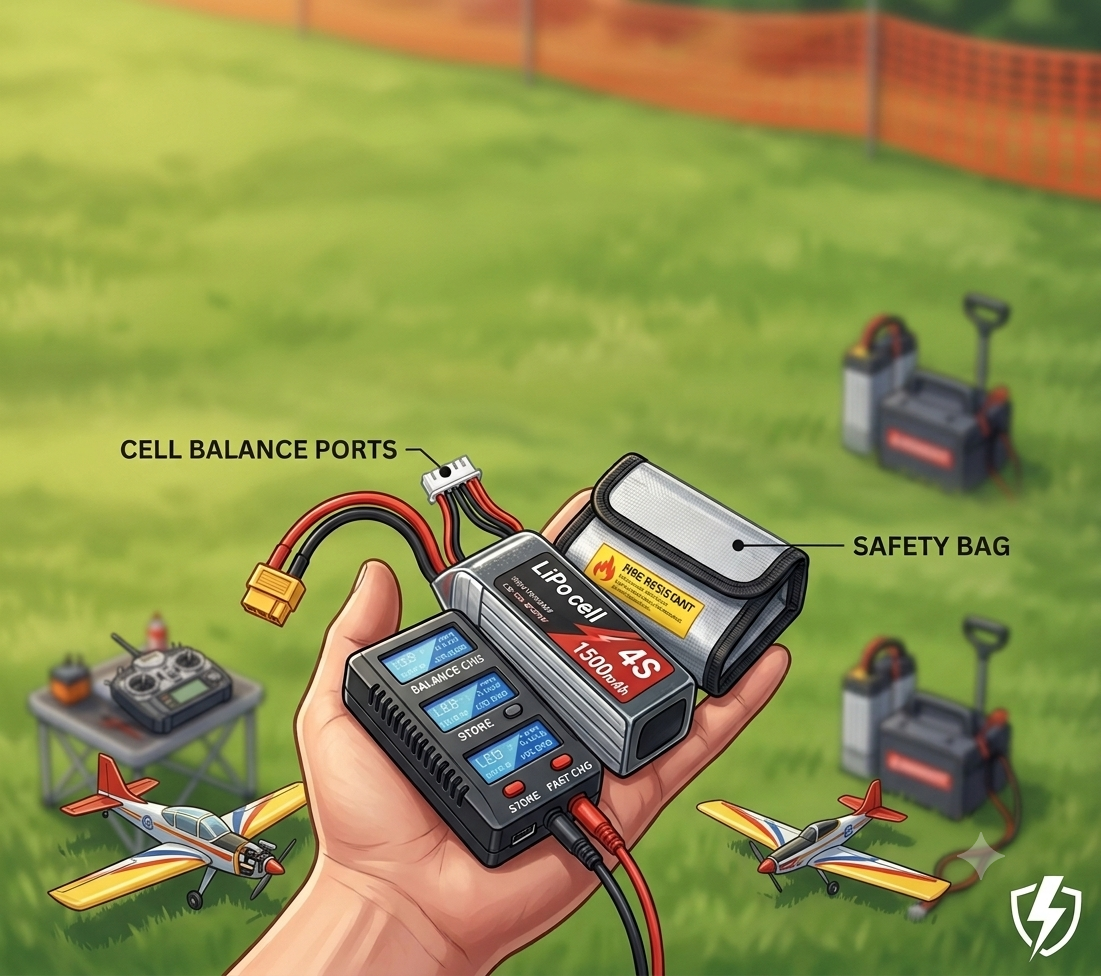
Battery life affects how long you can fly and practice. Most RC planes use rechargeable lithium-polymer (LiPo) batteries. Knowing the battery capacity helps plan your practice time. Chargers must match battery type and voltage for safety. Some chargers support fast charging, which reduces wait times. Always follow manufacturer instructions to avoid damage or fire risks. Carry spare batteries to extend your flying sessions.
Space And Environment Needs
Choosing the right RC plane depends greatly on your available space and the environment. Flying areas influence the type and size of the plane you should buy. Understanding these needs helps you enjoy flying without frustration or accidents.
Assess the places where you plan to fly your RC plane. Open fields, parks, or indoor spaces each have unique requirements. Your environment shapes your flying experience and the plane’s performance.
Indoor Vs Outdoor Flying
Indoor flying requires smaller planes with slower speeds. Limited space means less room for large turns or fast maneuvers. Indoor RC planes often have lightweight frames and soft materials to avoid damage.
Outdoor flying allows larger planes with higher speeds and longer flight times. It needs open, clear areas free from trees, power lines, and buildings. Wind is a factor outdoors; choose planes that handle light breezes well.
Consider weather conditions if flying outside. Calm, dry days provide the best control and safety. Avoid flying in rain or strong winds to protect your plane.
Size And Maneuverability
Smaller planes are easier to control in tight spaces. They offer quick responsiveness and simple handling. Ideal for beginners or indoor flying.
Larger planes can cover more distance and perform complex tricks. They need more open space and experience to fly safely.
Maneuverability depends on size and design. Lightweight planes turn faster but may be less stable. Heavier planes handle wind better but need more skill to control.
Match your plane’s size to your flying environment and skill level for the best experience.
Popular Rc Plane Brands
Popular RC plane brands offer a wide range of models for beginners and experts. Choosing the right brand ensures quality, support, and enjoyable flying experiences. Each brand has unique features, designs, and technology to meet different needs. Understanding popular brands helps buyers make informed decisions and get the best value for their money.
Many brands also provide ready-to-fly (RTF) packages, making it easy to start flying right away. Brand reputation often reflects product reliability and customer service quality. This section highlights top trusted manufacturers and the importance of brand reputation and support in your buying journey.
Top Trusted Manufacturers
E-flite, HobbyZone, and Dynam are among the most trusted RC plane manufacturers. E-flite offers durable models with advanced flight stabilization. HobbyZone is known for beginner-friendly planes with SAFE technology. Dynam produces affordable and reliable planes with easy assembly. These manufacturers focus on quality materials and user-friendly designs. Their products suit pilots of all skill levels and provide great flying experiences.
Choosing a plane from a trusted manufacturer reduces the risk of defects. It also guarantees access to parts and upgrades. These brands invest in research to improve flight performance and safety. Many models come with complete kits, including everything needed to fly. This saves time and effort for new pilots.
Brand Reputation And Support
Brand reputation matters for product quality and customer service. Well-known brands have a history of positive reviews and satisfied customers. They offer detailed manuals, tutorials, and online communities. This support helps beginners learn quickly and solve problems easily. Reliable brands also provide warranty and repair services to protect your investment.
Customer support from top brands is usually responsive and helpful. They guide you through setup, maintenance, and troubleshooting. Good support builds trust and encourages repeat purchases. Buyers should check reviews and forums to gauge brand reputation. Choosing a brand with strong support enhances the overall RC plane experience.
Frequently Asked Questions
What Is The World’s Best Rc Plane?
The world’s best RC plane depends on skill and preference. Popular top models include E-flite UMX Conscendo and Dynam Primo. Choose planes with stability, durability, and flight-assist tech like SAFE for optimal flying experiences.
How To Choose Your First Rc Airplane?
Choose a beginner-friendly RC airplane with stable flight, durable foam construction, and high-wing design. Pick a Ready-To-Fly (RTF) model with flight stabilization like SAFE or ABS for easier control. Consider small, slow flyers for learning and ensure the plane fits your flying space and budget.
What Is The Best Rc Plane To Learn On?
The best RC plane for beginners offers stability, easy control, and durability. Models with SAFE or ABS technology and a high-wing design, like the Dynam Primo or E-flite UMX Conscendo, help new pilots learn safely and enjoy flying. Choose RTF kits for quick setup.
What Are Good Rc Airplane Brands?
Top RC airplane brands include E-flite, Dynam, Spektrum, ARRMA, Axial, and Horizon Hobby. These brands offer quality, durability, and beginner-friendly models. Choose brands trusted by enthusiasts for reliable performance and innovation.
Conclusion
Choosing the best RC plane takes time and thought. Focus on skill level and flying style first. Pick a model that feels right and suits your budget. Ready-to-fly kits help beginners start quickly and easily. Look for planes with flight stabilization to stay in control.
Durable materials reduce worries about crashes. Take your time to enjoy learning and improving. Flying RC planes offers fun and a great challenge. Keep practicing, and your skills will grow with each flight.