
Are you ready to take your hobby to new heights? Understanding the different types of RC planes can make all the difference in your flying experience.
Whether you’re a beginner or looking to upgrade, knowing which RC plane suits your style and skill level helps you enjoy every flight. You’ll discover the main types of RC planes, what makes each unique, and how to choose the perfect one for your next adventure.
Keep reading to find the RC plane that’s just right for you!
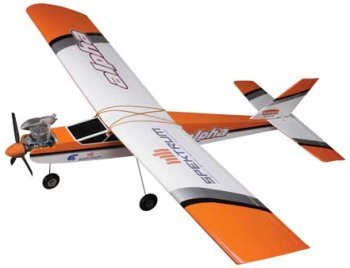
Credit: landcruiserheaven.com
Electric Rc Planes
Electric RC planes are popular among beginners and experts alike. They use electric power to fly, making them quieter and cleaner than fuel-powered models. These planes are easy to maintain and offer smooth flying experiences.
Electric RC planes come in many styles and sizes. Many hobbyists enjoy their simplicity and fast setup. Batteries and motors play a key role in their performance and flight time.
Brushless Motor Models
Brushless motors are common in electric RC planes. They last longer and run more quietly than brushed motors. These motors give better speed and power for smooth flights. Many pilots choose brushless motors for improved control and efficiency.
Battery-powered Advantages
Batteries make electric RC planes easy to use. They charge quickly and provide clean energy. Battery-powered planes do not need fuel or complex engines. This makes them lighter and easier to handle. Batteries also let pilots fly indoors or outside without noise issues.
Popular Designs
Electric RC planes come in many designs. Some look like real airplanes, while others have simple shapes. Trainers are good for beginners because they fly slowly and steady. Sport models offer speed and agility for more fun flying. Gliders use electric power to launch and then glide silently.
Gasoline Rc Planes
Gasoline RC planes are popular for their power and long flying time. They use small gasoline engines similar to those in lawn tools. These planes are often larger and heavier than electric or glow fuel RC planes. Their engines run on gasoline mixed with oil to keep them working smoothly.
Many hobbyists enjoy gasoline RC planes because they offer strong performance. They can fly longer without needing frequent refuels. This makes them great for outdoor flying and for pilots who want a more realistic flying experience.
Fuel Types
Gasoline RC planes use a mix of gasoline and oil. The oil helps to lubricate the engine parts. Usually, 2-stroke oil is mixed with regular unleaded gasoline. The common ratio is about 16:1 or 20:1, depending on the engine. Using the right fuel mix is important for the engine’s health and power.
Engine Maintenance
Keeping the engine clean is key to good performance. After every flight, remove dirt and fuel residue. Check the spark plug and clean or replace it if needed. Keep the engine parts tight and lubricated. Regular maintenance prevents engine failure and keeps the plane flying smoothly.
Performance Characteristics
Gasoline RC planes produce strong power and torque. This helps them lift heavier models and carry larger loads. They usually have longer flight times than electric planes. The engine sound is louder and more realistic. These planes handle well and provide a smooth flying experience.
Glider Rc Planes
Glider RC planes are a popular choice among hobbyists who enjoy quiet, smooth flying. These planes do not have engines. They glide through the air by using natural air currents. Pilots find them relaxing and fun to control. They require skill to catch rising air and stay aloft longer.
Thermal Soaring
Thermal soaring helps gliders fly without engines. Warm air rises from the ground in columns called thermals. Pilots steer the glider into these rising air pockets. The plane gains height by riding the warm air. This lets the glider stay in the air for a long time. Finding and using thermals is a key skill for glider pilots.
Design Features
Glider RC planes have long, thin wings. These wings provide better lift and less drag. The body is light to help the plane float. Some gliders have special wing shapes for better control. The design focuses on smooth, stable flight. No engine parts make the plane quieter and lighter.
Launching Techniques
Launching a glider can be done in several ways. Hand launching is common for small gliders. Pilots throw the plane into the wind with a smooth motion. Another method is using a bungee cord or winch. These tools pull the glider quickly into the air. Choosing the right launch helps the glider reach good height.
Credit: www.reddit.com
Scale Rc Planes
Scale RC planes are small models that look like real airplanes. They copy the shape and size of full-size planes but on a smaller scale. These planes are popular among hobbyists who enjoy flying and building detailed aircraft.
Scale RC planes offer a mix of fun flying and realistic design. They bring a sense of history and adventure to the RC flying hobby. Many people appreciate the effort to recreate famous or classic airplanes in miniature form.
Replica Models
Replica models are exact copies of real airplanes. Builders use photos and blueprints to match every part. These models often include working parts like flaps and landing gear. They aim to look just like their full-size versions.
Detailing And Accuracy
Detailing means adding small parts to make the plane look real. This includes paint, decals, and cockpit details. Accuracy means the model matches the original plane’s shape and size. Both are important for scale RC plane fans.
Collecting And Display
Many people collect scale RC planes as a hobby. They display them in cases or on shelves. Some planes never fly and serve as beautiful models. Collectors enjoy the history and design of each plane.
3d Rc Planes
3D RC planes are designed for advanced flying and extreme stunts. These planes perform tricks that look impossible to normal RC planes. Pilots enjoy the thrill of sharp turns, flips, and hovering in the air.
Built for precision and speed, 3D RC planes demand skill and practice. Their design allows them to move in all directions with ease. These planes often have large control surfaces for better response.
Aerobatic Maneuvers
3D RC planes perform loops, rolls, and hovering. They can fly backward and stay still in the air. These moves require fast and exact control of the plane. Aerobatic flying shows the pilot’s skill and the plane’s design.
Lightweight Construction
These planes use light materials like foam and carbon fiber. Lightweight parts help the plane stay in the air longer. They also make the plane easier to control during stunts. The build focuses on strength without adding extra weight.
Control Techniques
Pilots use smooth and quick stick movements for control. Small, precise inputs keep the plane balanced during tricks. Learning to control throttle, rudder, and elevator is key. Good technique lets the plane perform complex maneuvers safely.
Park Flyer Rc Planes
Park flyer RC planes are small, lightweight remote-controlled aircraft. They are perfect for flying in parks and open areas. These planes offer a fun way to enjoy flying without needing large spaces. Their size and design make them popular among hobbyists and beginners alike.
Compact Size Benefits
Park flyer RC planes have a small size. This makes them easy to carry and store. Their light weight means less damage if they crash. Small parts are simple to fix or replace. These planes use less battery power, so flying time is longer.
Flying In Small Spaces
These planes are ideal for limited spaces. You can fly them in city parks or schoolyards. They require less open space than bigger models. Flying in small areas helps practice control skills. It is easier to avoid obstacles and other people.
Beginner-friendly Models
Park flyers are great for beginners. They have simple controls and steady flight. Many come with built-in safety features like auto-stabilizers. Beginners can learn to fly without much stress. These models build confidence before moving to bigger planes.
Frequently Asked Questions
What Are The Main Types Of Rc Planes?
The main types of RC planes include trainers, sport planes, gliders, and aerobatic models. Each type suits different skill levels and flying styles. Trainers are ideal for beginners, while aerobatic planes are for advanced pilots seeking complex maneuvers.
How Do Trainer Rc Planes Help Beginners?
Trainer RC planes offer stability and easy control for new pilots. They have slower speeds and forgiving flight characteristics. This design helps beginners learn basic flying skills safely and confidently before progressing to advanced models.
What Makes Aerobatic Rc Planes Unique?
Aerobatic RC planes are built for advanced maneuvers like loops and rolls. They feature powerful engines and agile controls. These planes are less stable but offer high responsiveness for skilled flyers who want to perform stunts.
Why Choose Glider Rc Planes For Flying?
Glider RC planes use thermal currents to stay aloft longer without engines. They provide quiet, eco-friendly flying experiences. Gliders are great for pilots interested in endurance flying and mastering smooth, controlled landings.
Conclusion
RC planes come in many types, each with its own style and use. Beginners find trainers easy and safe to fly. Sport planes offer speed and fun for casual flyers. Gliders glide smoothly without engines, perfect for calm days. Scale models look like real airplanes and attract hobbyists.
Choosing the right type depends on your interest and skill. Experimenting with different planes helps you learn faster. Flying RC planes brings joy and sharpens your focus. Try different types and enjoy the exciting world of RC flying.