
Have you ever watched a glider or a model plane smoothly riding the wind along a hillside and wondered how it stays up without an engine? That’s the magic of slope soaring.
It’s a fascinating way to use nature’s forces to keep your aircraft flying longer and higher. If you’re curious about how this works and how you can try it yourself, keep reading. You’re about to discover the secrets behind slope soaring and why it’s a favorite among flying enthusiasts.
Credit: aerospaceweb.org
Basics Of Slope Soaring
Slope soaring is a popular way to enjoy gliding flight using natural wind and hills. It offers a unique experience for model airplane and glider enthusiasts. Understanding the basics helps beginners start safely and enjoy the sport fully.
What Is Slope Soaring
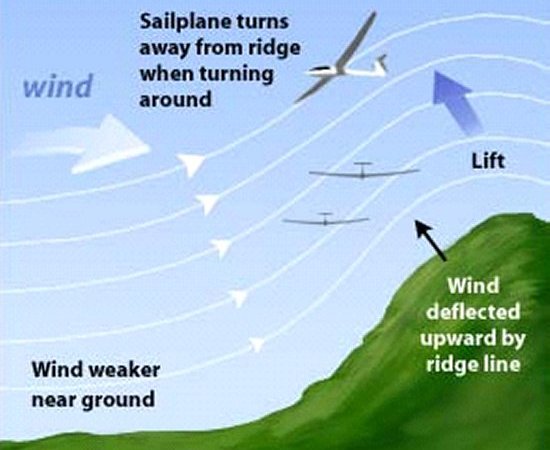
Slope soaring is flying a glider or model plane using wind that hits a hill or slope. The wind pushes the plane upward, allowing it to stay in the air longer. Pilots use hills, cliffs, or ridges to catch this wind lift. It needs no engine power, just skill and wind.
How It Works
Wind blows toward a slope and rises up the hill’s face. This rising air creates lift for the glider. The pilot controls the plane to stay in this lift zone. By flying along the slope, the glider stays up and can travel far. The stronger and steadier the wind, the better the lift.
Essential Equipment
A good slope soaring setup includes a glider or model plane designed for lift. Lightweight wings help catch the wind better. A remote control lets pilots steer and adjust speed. A hill or slope with steady wind is also key. Safety gear like gloves and goggles protects the pilot during flight.
Ideal Locations For Slope Soaring
Finding the right spot is key for slope soaring. The perfect location offers steady wind and good terrain. These places help gliders stay in the air longer and fly better. Let’s explore what makes a site ideal for this exciting sport.
Choosing The Right Terrain
Look for hills or cliffs facing the wind. Steep slopes work best because they push air upward. Smooth, open areas without trees or buildings are safer. Large ridges give more lift and space to fly. Avoid rocky or unstable ground to prevent accidents.
Weather Conditions To Watch
Wind speed should be steady but not too strong. Gentle, constant winds create smooth lift. Watch for changes in wind direction that can cause turbulence. Clear skies and good visibility make flying easier. Avoid flying in rain or storms for safety.
Safety Considerations
Check for nearby power lines or obstacles before flying. Always have a clear landing zone close by. Wear proper safety gear like helmets and gloves. Never fly alone; bring a friend or inform someone. Keep an eye on weather changes during your flight.
Techniques For Successful Flight
Flying a slope soarer well needs skill and practice. Pilots use specific techniques to keep the glider in the air longer. These methods help catch the wind and use it smartly. Understanding these steps makes slope soaring more fun and safe.
Launching Strategies
Start by facing the glider into the wind. Hold the plane firmly but gently. Run down the slope to give it speed. Release the glider smoothly at the right moment. This helps the plane catch the wind quickly. A strong, steady launch sets up a good flight.
Maintaining Lift
Keep the glider close to the slope’s edge. The wind hits the slope and rises here. Stay in this rising air to stay up. Watch the glider’s speed and adjust controls. Small moves keep the plane stable and high. Avoid flying too far away from the slope.
Turning And Maneuvering
Use gentle turns to stay in the lift zone. Turn the glider slowly to keep speed steady. Sharp turns can cause the plane to lose height. Lean into the turn to balance the forces. Smooth control helps find new rising air spots. Stay alert to changes in wind direction.

Credit: www.ssa.org
Advanced Flight Maneuvers
Advanced flight maneuvers in slope soaring require skill and focus. These techniques help pilots use wind and terrain better. They improve flight time and control. Understanding these moves makes slope soaring more exciting and rewarding.
Dynamic Soaring
Dynamic soaring uses wind speed differences near slopes. Pilots fly across areas where wind changes quickly. This gives extra energy to the glider. It helps the plane gain speed without engine power. Timing and precision are very important in dynamic soaring.
Thermal Integration
Thermal integration means finding rising warm air called thermals. Slope soarers use thermals near hills to go higher. Combining slope lift with thermals extends flight time. Pilots watch the ground for signs of thermals. This skill takes practice but adds great advantage.
Speed And Altitude Control
Control of speed and altitude is key in slope soaring. Pilots adjust their angle and position to hold steady height. Speed changes help to avoid stalls or drops. Smooth movements keep the glider stable in strong winds. Good control leads to safer and longer flights.
Common Challenges And Solutions
Slope soaring offers thrilling experiences but brings several challenges. Understanding these obstacles helps pilots fly safer and longer. Each challenge has practical solutions to improve the flight experience.
Dealing With Turbulence
Turbulence is common near slopes due to wind hitting the terrain. It makes controlling the glider difficult. Pilots should keep steady hands and adjust controls gently. Flying lower and slower can reduce sudden bumps. Learning local wind patterns helps predict turbulent spots.
Equipment Troubleshooting
Gliders and radios can face issues during slope soaring. Check all parts before each flight. Ensure batteries are fully charged and antennas are secure. Carry basic tools for quick fixes on-site. Regular maintenance prevents most equipment failures.
Weather-related Issues
Weather changes affect slope soaring conditions greatly. Clouds, rain, or strong winds can end flights early. Always check weather forecasts before flying. Be ready to cancel or delay flights if conditions worsen. Understanding weather signs keeps pilots safe and prepared.
Credit: shallowsky.com
Tips For Beginners
Slope soaring is a fun way to fly gliders using wind on hills. Beginners need simple tips to start well and enjoy the experience. This section shares easy advice for safe and confident flying. Follow these tips to learn faster and feel good about slope soaring.
Starting Safely
Choose a gentle slope with steady wind. Avoid steep or rocky areas. Check your glider before each flight. Wear a helmet and safety gear. Fly only in good weather. Keep a safe distance from others. Practice small flights first. Stop if the wind changes suddenly.
Building Confidence
Fly your glider low and slow at first. Watch how it moves with the wind. Try small turns and gentle lifts. Repeat simple moves until you feel sure. Stay calm if the glider drops or turns fast. Each flight teaches you more. Take breaks to avoid tiredness.
Learning From Experts
Ask experienced pilots for advice. Watch their flying style closely. Join a local club or group. Listen to tips about wind and slopes. Learn how to control your glider better. Share your questions and experiences. Practice with others to improve faster. Learning from experts helps avoid common mistakes.
Frequently Asked Questions
What Is Slope Soaring In Aviation?
Slope soaring is a gliding technique that uses wind deflected by hills or cliffs. Pilots gain lift by flying along these slopes. It allows extended flight without engines, making it popular in gliding sports and model aircraft flying.
How Does Slope Soaring Work With Wind?
Slope soaring works by wind hitting a slope and rising upward. This upward airflow creates lift for gliders or birds. Pilots use this lift to stay airborne longer and control their flight path efficiently.
What Equipment Is Needed For Slope Soaring?
For slope soaring, you need a glider or a suitable model aircraft. A slope or hill with steady wind is essential. Basic safety gear and weather-appropriate clothing are recommended for pilots.
Where Is The Best Place For Slope Soaring?
The best slope soaring spots have steady, strong winds and smooth slopes. Coastal cliffs, hillsides, and ridges are ideal locations. Avoid areas with turbulent or inconsistent wind for safe flights.
Conclusion
Slope soaring lets gliders ride wind along hills and ridges. It uses rising air created by wind hitting slopes. This makes flying longer and more fun without engines. Pilots enjoy the quiet and smooth ride. It also helps them learn about wind and weather.
Anyone curious about flying can try slope soaring safely. It brings nature and flight closer together. The thrill of soaring near hills is hard to forget. Slope soaring opens a simple way to enjoy the sky.