
Have you ever wondered if slope soaring is dangerous? If you’re thinking about trying this thrilling activity or just curious, it’s important to know the risks involved.
Slope soaring can give you an incredible rush as you glide along windy hills, but it also comes with dangers you shouldn’t ignore. You’ll discover what makes slope soaring risky, how you can stay safe, and whether it’s worth the excitement.
Keep reading to find out everything you need to know before you take off.
Basics Of Slope Soaring
Slope soaring is a type of flying that uses wind and hills to keep gliders in the air. It relies on air currents that rise along slopes or cliffs. Pilots use these rising winds to stay aloft without engines. This makes slope soaring an exciting and unique way to fly. Understanding its basics helps to see if it is dangerous or not.
What Is Slope Soaring
Slope soaring means flying gliders near hills or mountains. The wind blows against the slope and moves upward. This upward air lifts the glider, helping it fly longer. Pilots control the glider to stay in these rising winds. No engine power is needed. It is a quiet and natural way to enjoy flying.
Common Locations For Slope Soaring
Slope soaring usually happens on hills, cliffs, and ridges. Coastal cliffs are popular spots because of strong winds. Mountain ridges also work well when the wind is steady. Open hills with steady wind are good for beginners. Safe spots have clear air and no obstacles nearby. These locations provide the best lift for gliders to fly.
Potential Hazards
Slope soaring offers an exciting way to enjoy flying. It also comes with risks that every pilot should know. Understanding these potential hazards helps keep the experience safe and fun. Here are some common dangers linked to slope soaring.
Weather Challenges
Wind changes can happen fast near slopes. Strong gusts may push the glider off course. Sudden storms can reduce visibility and control. Cold temperatures can cause fatigue and slower reactions. Pilots must watch the weather carefully before flying.
Terrain Risks
Steep hills and cliffs pose a real threat. A small mistake can lead to crashes. Uneven ground makes landing tricky and dangerous. Trees and rocks can block flight paths. Knowing the terrain well lowers the chance of accidents.
Equipment Failures
Broken parts can cause loss of control in the air. Poor maintenance raises the risk of failure. Electronics and controls must work perfectly every time. Using quality gear and checking it often improves safety. Pilots must never ignore warning signs from their equipment.
Pilot-related Risks
Pilot-related risks play a big role in the safety of slope soaring. The pilot controls the glider and makes quick decisions. Mistakes or lack of skills can lead to accidents. Understanding these risks helps pilots prepare and stay safe.
Skill Level Considerations
Skill affects how well a pilot handles the glider. Beginners may not know how to react to sudden wind changes. Experienced pilots read the slope and adjust their flight path smoothly. Practice and training reduce risks and improve control.
Common Mistakes
Pilots often make errors like flying too close to the ridge. Wrong timing in turns can cause loss of lift or crashes. Overestimating wind strength leads to dangerous situations. Awareness and learning from mistakes lower the chance of accidents.
Fatigue And Distraction
Tired pilots have slower reactions and poor judgment. Distractions can cause missed signals or wrong moves. Staying focused and rested is important for safe flying. A clear mind helps pilots handle challenges on the slope.
Safety Gear And Equipment
Slope soaring offers thrilling views and exciting flight experiences. Safety gear and equipment reduce risks and protect pilots. Proper gear helps avoid injuries and ensures better control. Pilots must choose reliable and well-made equipment for safe flights.
Essential Protective Gear
Wearing a helmet is vital to protect the head from impacts. Gloves keep hands safe from cold and sharp objects. Sunglasses shield eyes from strong sunlight and flying debris. A sturdy harness keeps the pilot secure during flight. Proper footwear provides good grip and ankle support.
Reliable Equipment Features
Strong wings and frames prevent breakage during turbulence or crashes. Lightweight materials help maintain control and reduce fatigue. Quick-release systems allow fast escape in emergencies. Radios and GPS devices improve communication and navigation. Regular checks keep equipment in top working condition.
Best Practices For Safety
Slope soaring can be thrilling but carries risks. Following safety rules helps reduce dangers. Pilots should prepare well before every flight. This section covers key safety steps for slope soaring.
Pre-flight Checks
Check the glider carefully before each flight. Look for damage or loose parts. Make sure the controls move smoothly. Inspect the radio and batteries. Confirm all equipment works properly. Proper checks prevent many accidents.
Weather Assessment
Study the weather closely before flying. Strong winds or storms increase risks. Choose clear, stable conditions for slope soaring. Watch wind direction and speed at the site. Avoid flying in sudden weather changes. Good weather helps keep flights safe.
Emergency Preparedness
Plan for emergencies in every flight. Know the landing areas around the slope. Carry a first aid kit and phone. Practice quick reactions to unexpected events. Share your flight plan with someone. Being ready helps handle problems fast.
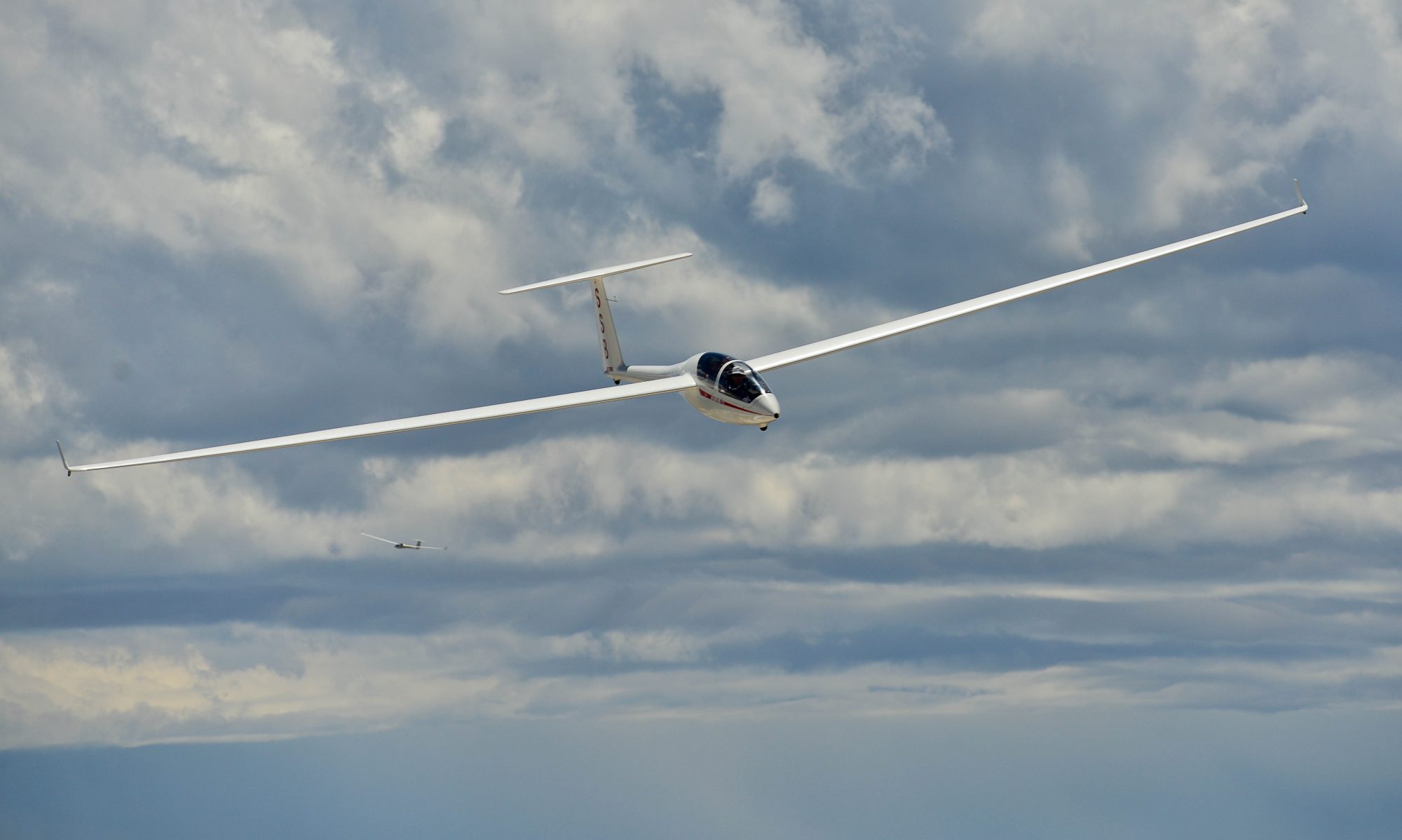
Credit: chessintheair.com
Training And Skill Development
Training and skill development are key to safe slope soaring. This sport needs control, knowledge, and practice. Without the right training, the risks increase. Learning the basics helps pilots react well to different conditions. It builds confidence and reduces errors during flight.
Good training teaches how to read wind and terrain. Pilots learn how to handle their gliders in changing weather. These skills lower the chance of accidents. Training also covers emergency responses and safe landing techniques.
Recommended Training Programs
Many clubs and schools offer training for slope soaring. Beginners should join programs with certified instructors. These courses cover theory and hands-on flying lessons. Instructors teach proper takeoff, flying, and landing methods.
Training programs often include safety rules and weather basics. Some offer simulator sessions to practice controls. These programs build skills in a controlled and safe setting. Choose courses with good reviews and clear safety records.
Building Experience Gradually
Start flying in easy and calm conditions. Avoid strong winds and complex slopes at first. Gain confidence by practicing simple maneuvers. Gradual exposure to tougher conditions improves skill steadily.
Fly with experienced pilots for advice and support. Learn from their knowledge and mistakes. Keep practicing regularly to maintain and improve skills. Patience and steady progress make slope soaring safer.
Community And Support
The slope soaring community offers strong support and guidance. Pilots share tips, safety advice, and local flying spots. This support makes the sport safer and more enjoyable. Being part of a group helps build confidence and skills quickly.
Joining Local Clubs
Local slope soaring clubs welcome new pilots warmly. Clubs often organize group flights and training sessions. They provide a chance to meet others and learn the rules. Joining a club gives access to shared equipment and resources. Clubs create a safe space to practice and improve.
Learning From Experienced Pilots
Experienced pilots share knowledge about weather and flying techniques. They teach how to read the wind and handle the glider safely. Watching skilled pilots helps beginners understand the sport better. Advice from experts reduces risks and avoids common mistakes. Learning together builds trust and respect among pilots.

Credit: www.boldmethod.com
Frequently Asked Questions
Is Slope Soaring Riskier Than Other Flying Sports?
Slope soaring has inherent risks like all flying sports. However, with proper training and safety gear, risks reduce significantly. Pilots must understand weather, terrain, and equipment to ensure safe flights. Awareness and preparation are key to minimizing dangers in slope soaring.
What Safety Measures Reduce Slope Soaring Dangers?
Wearing helmets and using reliable equipment are essential safety steps. Pilots should check weather conditions before flying. Training with experienced instructors helps develop skills and emergency response. Following local regulations and flying within skill limits enhances overall safety.
How Does Weather Impact Slope Soaring Safety?
Weather plays a crucial role in slope soaring safety. Strong winds or turbulence can cause loss of control. Pilots must assess wind speed, direction, and thermal activity before flying. Flying in stable weather conditions reduces accident risks significantly.
Can Beginners Safely Try Slope Soaring?
Beginners can safely try slope soaring with guidance. Starting under expert supervision and using beginner-friendly gliders is important. Learning about weather, equipment, and emergency procedures helps build confidence. Gradual skill improvement reduces accidents and enhances enjoyment.
Conclusion
Slope soaring carries risks, but careful planning helps reduce them. Pilots must know the weather and terrain well. Using proper safety gear and following rules keeps flying safer. Experience and training build confidence and skill over time. Many enjoy slope soaring without serious problems.
The thrill comes with respect for the sport’s challenges. Choose your flights wisely and stay alert always. Safety makes slope soaring fun and rewarding for all.