
Are you wondering if foam planes can handle rough landings and hours of flying fun? You want a plane that won’t break the first time it crashes, right?
Durability is key when choosing a foam plane, especially if you’re just starting out or looking for a reliable model to enjoy again and again. You’ll discover how tough foam planes really are, what makes them strong, and how to get the most out of your flying experience without worrying about damage.
Keep reading to find out if a foam plane is the right choice for you!

Credit: linearcollider.org
Foam Plane Materials
Foam planes are popular among hobbyists and beginners. Their materials play a big role in how strong and lasting they are. Different foams offer different levels of toughness and flexibility. Understanding these materials helps choose the right foam plane for your needs.
Foam types vary in weight, texture, and resistance. These factors affect how well the plane handles crashes and wear. Some foams are light but fragile. Others are heavy but very tough. Knowing these details guides better decisions.
Common Foam Types
Expanded Polystyrene (EPS) is a common foam. It feels light but breaks easily under stress. EPS is cheap and easy to shape. It suits indoor flying and small models.
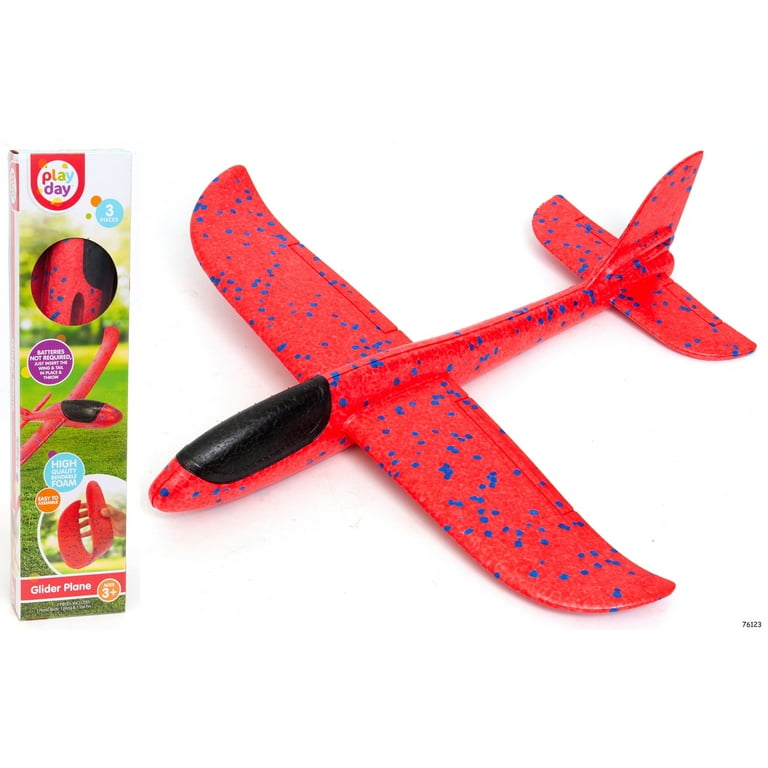
Expanded Polypropylene (EPP) foam is tougher. It bends and returns to shape after impacts. EPP resists dents and cracks well. This foam is popular for beginner-friendly planes.
Depron foam is thin and smooth. It is often used for racing and fast planes. Depron is light but less durable than EPP. Careful handling is needed with Depron models.
Material Properties Impacting Durability
Density affects strength and weight. Higher density foams resist damage better but weigh more. Low-density foams are lighter but break easier.
Flexibility helps foam absorb shocks. Flexible foam bends instead of cracking. Rigid foam breaks under sharp impacts.
Surface texture can protect foam. Smooth surfaces resist water and dirt. Rough surfaces may wear out faster.
Credit: www.walmart.com
Design Factors Affecting Strength
Foam planes are popular for their lightweight and easy handling. Their strength depends on specific design features. These features help the plane withstand crashes and rough landings. Understanding these design factors can help you choose a more durable foam plane.
Structural Reinforcements
Structural reinforcements add extra support to foam planes. Thin rods or strips made of plastic or carbon fiber often reinforce wings and body. These reinforcements stop the foam from bending or breaking easily. Some planes have thicker foam in key areas for added strength. Reinforced joints also help keep parts attached during impacts.
Weight Distribution And Balance
Proper weight distribution improves foam plane durability. Balanced weight helps the plane fly smoothly and avoid crashes. Heavy parts placed evenly reduce stress on any one area. A well-balanced plane handles wind better and stays steady. Poor balance can cause the plane to tip or break more often.
Typical Wear And Tear
Foam planes are popular for hobbyists and beginners. They offer light weight and ease of use. Still, foam planes face typical wear and tear over time. Understanding this helps you care for your plane better. It also shows how long your foam plane can last.
Impact Resistance
Foam planes handle crashes better than many other materials. Foam absorbs shock on impact well. Small bumps or rough landings cause minor dents or scratches. Stronger impacts may break parts like wings or propellers. Some foam types recover shape quickly after hits. Repair kits can fix common damages easily. Impact resistance varies by foam quality and plane design.
Environmental Stressors
Sunlight can make foam planes brittle over time. Heat can warp or soften foam parts. Moisture can damage glue and electronics inside the plane. Dust and dirt can get stuck in foam pores. These factors slowly weaken the plane’s structure. Storing foam planes indoors helps protect from these stressors. Cleaning and drying after use keeps planes in good shape.

Credit: www.amazon.com
Maintenance Tips For Longevity
Foam planes can last a long time with the right care. Simple steps help keep them strong and fun to fly. Small efforts in maintenance protect your plane from damage. Learn easy ways to clean, store, and fix your foam plane. These tips help you enjoy your plane for many flights.
Cleaning And Storage
Keep your foam plane clean by wiping it with a soft cloth. Use mild soap and water for stubborn dirt. Avoid strong chemicals that can damage the foam. Dry the plane completely before storing it.
Store your plane in a cool, dry place away from sunlight. Heat and moisture can weaken the foam material. Place the plane in a box or bag to prevent dust buildup. Avoid heavy objects on top to stop bending or crushing.
Repair Techniques
Small cracks or tears happen often with foam planes. Use foam-safe glue or tape to fix these quickly. Press the parts together and hold until dry for a strong bond. Replace broken parts if needed to keep the plane balanced.
Check the wings and tail regularly for loose parts. Tighten or re-glue any pieces that feel weak. Fixing damage early stops bigger problems later. A well-maintained plane flies better and lasts longer.
Comparing Foam To Other Materials
Foam planes are popular for many reasons. One key factor is their durability. Comparing foam to other materials helps us see why foam stands out. Different materials have different strengths and weaknesses. This section looks closely at foam, plastic, and balsa wood to understand their durability.
Durability Vs. Plastic
Plastic is strong and can handle rough use. It resists water and does not break easily. Foam, on the other hand, is lighter and softer. Foam can absorb impacts better without cracking. Plastic may crack or shatter on hard hits. Foam bends and returns to shape more often. Foam planes are easier to fix after minor crashes. Plastic planes often need full part replacements. Foam is less likely to get damaged in small crashes.
Durability Vs. Balsa Wood
Balsa wood is light and stiff. It gives good flight control and speed. Foam is softer and less brittle than balsa wood. Balsa wood can break or splinter easily on crashes. Foam usually dents but does not break. Foam absorbs shocks better, making it good for beginners. Balsa wood requires careful handling to avoid damage. Foam planes last longer with rough use. Repairs on foam are simpler and faster than on balsa wood.
Expert Recommendations
Experts share useful advice on foam plane durability. Their tips help users get the best performance and longer life from these models. Following expert advice reduces damage and improves user experience.
Durability depends on how you use and choose your foam plane. Experts focus on practical steps anyone can apply. This guidance keeps foam planes strong and fun to fly for longer.
Best Practices For Use
Handle foam planes gently to avoid dents and cracks. Store them in a cool, dry place to prevent warping. Clean dirt and debris carefully after each use. Avoid crashes by flying in open spaces without obstacles. Regular checks for loose parts help catch damage early. Fix small tears quickly with foam-safe glue. Use balanced batteries to keep weight even and prevent stress.
Choosing Durable Foam Planes
Select foam planes made from high-quality materials like EPP or EPO foam. These foams resist breaks and bounce back after impacts. Look for reinforced wings and sturdy frames. Check customer reviews for durability feedback. Avoid very cheap models as they often break easily. Pick brands known for solid construction and good support. Consider foam planes with replaceable parts to extend life.
Frequently Asked Questions
Are Foam Planes Resistant To Crashes?
Yes, foam planes are designed to absorb impact. Their lightweight foam material reduces damage from crashes, making them durable for beginners and hobbyists.
How Long Do Foam Planes Typically Last?
Foam planes can last several months to years. Proper care and gentle handling extend their lifespan significantly.
Can Foam Planes Withstand Outdoor Weather Conditions?
Foam planes handle mild outdoor conditions well. However, extreme weather like heavy rain or strong winds can damage them.
Do Foam Planes Require Frequent Repairs?
Foam planes need occasional repairs due to minor crashes. Their simple structure allows easy patching and part replacement.
Conclusion
Foam planes offer good durability for casual flying and fun. They resist small crashes and bumps better than many materials. Still, rough handling can cause damage over time. Regular care helps keep them flying longer. Choosing a quality foam plane improves how long it lasts.
Overall, foam planes balance light weight and strength well. Perfect for beginners and hobbyists alike. Durable enough to enjoy many flights without worry. Easy to fix minor breaks too. A smart choice for simple and lasting fun.