
Landing a fast RC jet can feel like a thrilling challenge—and if you’re not prepared, it might quickly turn into a crash landing. You want your jet to come down smoothly, every time, without damaging your hard work or your wallet.
The key is mastering the right techniques and avoiding common mistakes that can throw off your control at the last moment. In this guide, you’ll discover simple, effective steps to confidently land your fast RC jet safely and precisely. Ready to take your flying skills to the next level?
Keep reading and learn how to make every landing a success.
Preparing Your Rc Jet
Preparing your RC jet is key to a smooth and safe landing. This step ensures your jet responds well and stays stable in the air. Proper preparation reduces risks and improves control.
Check every part carefully before you fly. Small adjustments can make a big difference. Follow these steps to get your RC jet ready for landing.
Balancing Weight And Center Of Gravity
Balance your RC jet by checking its center of gravity (CG). The CG should be in the spot recommended by the manufacturer. Too far back means the jet will be tail-heavy and hard to control. Too far forward can cause nose-dives.
Add small weights if needed to adjust the CG. Use a smooth surface or balancing tool. Proper balance makes the jet stable during slow flight and landing.
Checking Control Surfaces
Control surfaces like ailerons, elevators, and rudders must move freely and correctly. Check for any binding or stiffness. Make sure they return to center when released.
Test each surface with your transmitter. Ensure they move in the right direction. Incorrect movement can cause crashes, especially during landing.
Securing Electronics And Wiring
Secure all electronics and wiring inside the jet. Loose wires can disconnect or get damaged from vibration. Use tape or clips to hold wires in place.
Check all connectors and solder joints for tightness. Proper wiring prevents sudden failures during flight. A well-secured system keeps your jet reliable and safe.
Pre-flight Checks
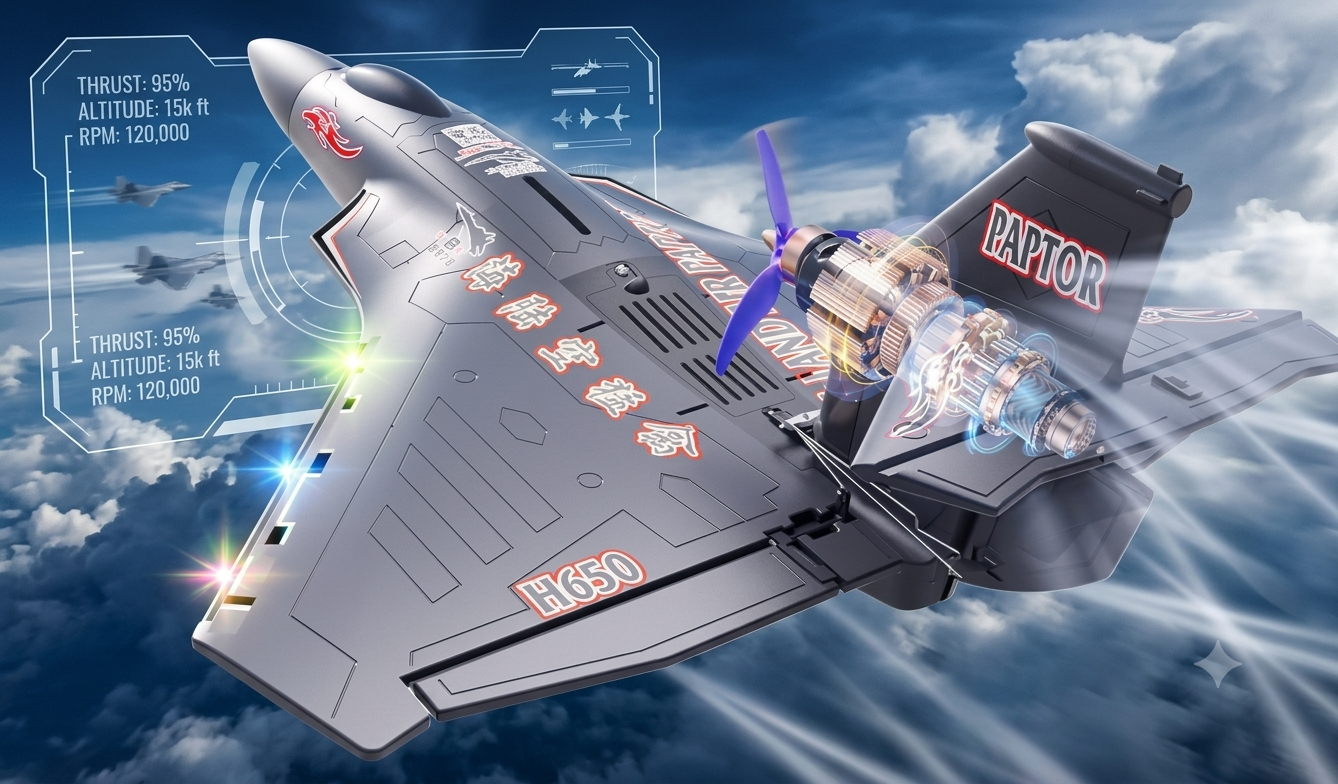
Pre-flight checks are vital before landing a fast RC jet. These checks ensure the jet responds correctly and lands safely. Skipping this step can lead to crashes or loss of control. Taking time to inspect your jet increases your flight success and jet longevity.
Testing Controls And Power Systems
Test all control surfaces like ailerons, rudder, and elevator. Move the sticks on your transmitter and watch the jet’s response. Ensure each surface moves smoothly and in the correct direction. Check the power system by running the motor at low speed. Listen for unusual noises or vibrations. Confirm the throttle responds instantly and consistently.
Receiver And Antenna Placement
Place the receiver away from metal parts and carbon fiber. These materials can block or weaken signals. Position antennas for clear, straight paths. Avoid bending or coiling antennas tightly. Secure them to prevent movement during flight. Good placement reduces signal loss and prevents control issues.
Verifying Flight Readiness
Check all screws and bolts for tightness. Ensure batteries are fully charged and securely installed. Confirm the center of gravity is balanced as per your jet’s manual. Inspect the airframe for cracks or damage. Test range by moving away from the jet while maintaining control. Confirm all systems work perfectly before takeoff.
Approach Techniques
Approach techniques are key for landing a fast RC jet smoothly and safely. Controlling speed and direction during the approach ensures a gentle touchdown. Pilots must prepare early and stay focused on every movement. Small adjustments can prevent crashes and damage. The following sections cover essential steps for a solid approach.
Choosing The Right Landing Pattern
Select a landing pattern that suits your flying area. A standard rectangular pattern helps maintain control. Begin the pattern wide and high, then gradually descend. Keep the jet aligned with the runway centerline. Avoid sharp turns close to the ground. This pattern reduces risks and builds confidence.
Adjusting Throttle And Speed
Control throttle smoothly to manage speed during approach. Slow down gradually to avoid stalling. Too much speed can cause overshooting the runway. Too little speed leads to loss of lift. Use small throttle changes for fine tuning. Maintain enough power to keep stable flight. Practice helps to find the right balance.
Maintaining Stable Flight Path
Keep the jet steady by making gentle control inputs. Watch the jet’s attitude and correct any drift. Avoid sudden movements or sharp corrections. A steady approach reduces pilot stress and improves accuracy. Focus on keeping wings level and nose aligned. Stability is key to a clean and safe landing.
Executing The Landing
Executing the landing of a fast RC jet demands precise control and timing. This phase is critical for a smooth and safe touchdown. Pilots must focus on subtle adjustments to maintain stability and avoid damage. Each step requires calm attention and practiced skills. Below are key techniques to help you land your RC jet successfully.
Flare And Descent Control
The flare is the moment just before touchdown. Gently raise the nose to reduce descent speed. This action softens the landing impact. Start the flare too early and the jet may stall. Do it too late, and the jet hits hard. Keep descent steady and controlled. Use small elevator inputs to manage the glide path. Smooth control helps absorb ground contact.
Managing Touchdown Speed
Speed control is vital for a safe landing. Too fast, and the jet bounces or skids. Too slow, and it may stall or drop suddenly. Adjust throttle to maintain a steady approach speed. Monitor the jet’s response and correct gently. Aim for a slow, steady speed just above stall. This balance reduces stress on landing gear and airframe. A smooth touchdown preserves your model.
Handling Crosswinds And Gusts
Crosswinds challenge your landing precision. They push the jet sideways during approach. Compensate by angling the jet slightly into the wind. Use rudder to keep the runway centerline. Gusts require quick, small corrections. Stay calm and react smoothly. Avoid sudden or harsh inputs that destabilize the jet. Practice in light winds before tackling stronger gusts.
Common Mistakes To Avoid
Landing a fast RC jet smoothly demands attention to detail. Many pilots struggle due to common mistakes. Avoiding these errors improves control and safety. Understand these pitfalls to prepare your jet for a safe landing.
Ignoring Center Of Gravity
Center of gravity (CG) affects flight stability. A tail-heavy jet will be hard to control. Nose-heavy jets may dive unexpectedly. Check CG before every flight. Adjust with weights if needed for balanced flight.
Overweight Components
Heavy parts reduce jet speed and agility. Extra weight makes landing tricky. Use lightweight materials where possible. Avoid adding unnecessary glue or bulky parts. Keep your jet as light as the design allows.
Poor Control Surface Setup
Control surfaces must move correctly. Incorrect deflection causes unpredictable responses. Make sure elevators, rudders, and ailerons center perfectly. Test their range before flying. Proper setup ensures precise maneuvering during landing.
Skipping Pre-flight Tests
Pre-flight checks catch potential problems early. Test all controls and electronics thoroughly. Verify battery charge and motor function. Skipping tests risks mid-air failures. A quick inspection can save your jet from damage.
Maintenance Tips For Smooth Landings
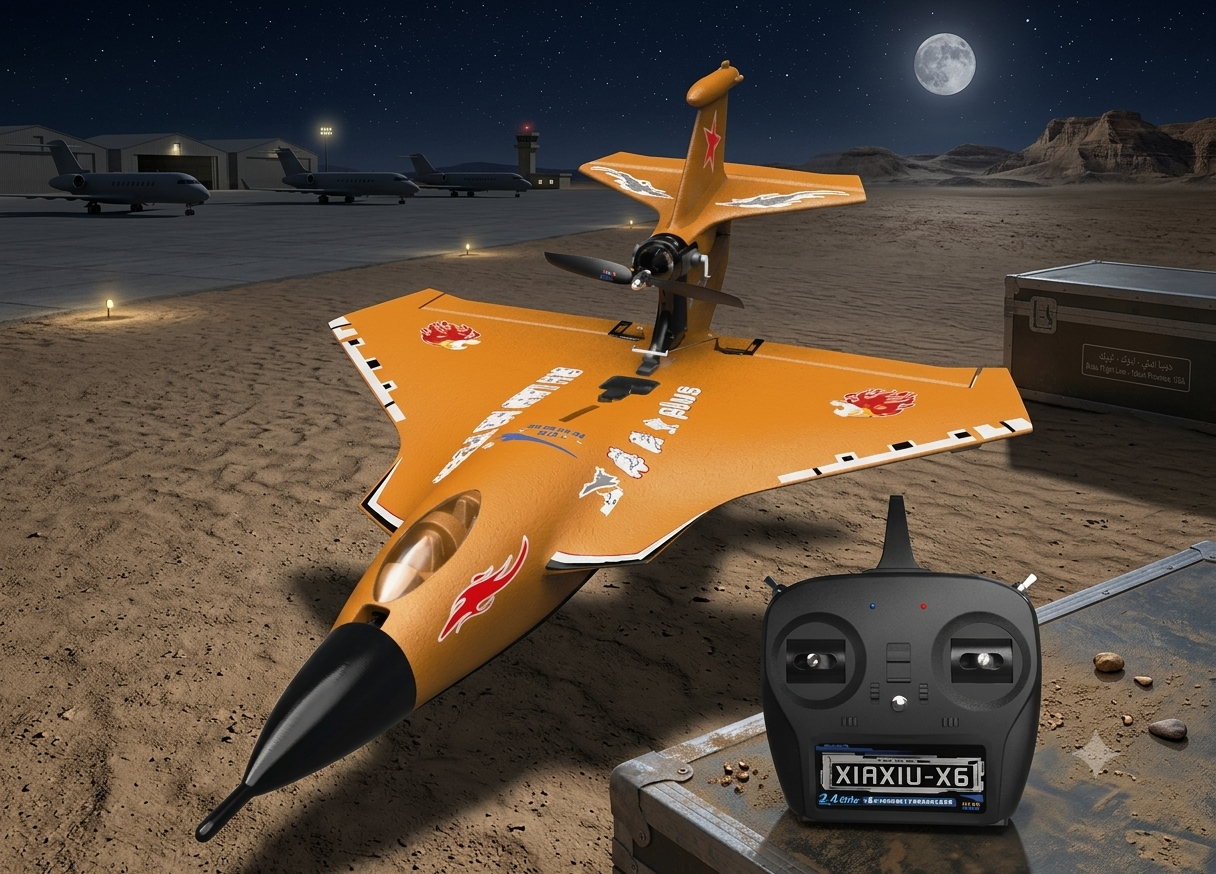
Maintaining your fast RC jet is key to smooth, safe landings. Proper upkeep prevents damage and ensures control during touchdown. Small checks and fixes save time and money in the long run. Follow these maintenance tips to keep your RC jet ready for every flight and landing.
Regular Inspection Of Landing Gear
Check the landing gear before every flight. Look for loose screws or bent parts. Tighten any loose bolts and replace damaged pieces. Clean dirt and debris from wheels and struts. Proper landing gear helps absorb impact and prevents crashes.
Checking For Structural Damage
Inspect the fuselage, wings, and tail for cracks or dents. Even small damage can affect flight and landing. Use a flashlight to see hidden cracks. Repair or replace damaged parts quickly. Strong structure keeps your jet stable during landing.
Keeping Electronics Secure
Ensure all electronic components are firmly attached. Loose wires or parts can cause control failures. Use zip ties or foam padding to secure batteries and receivers. Check connections regularly to avoid signal loss. Secure electronics help maintain smooth control during landing.
Advanced Landing Tips
Landing a fast RC jet smoothly requires skill and precision. Advanced pilots use special techniques to improve control and safety. These tips help you handle the jet better during final approach and touchdown. Understanding these methods reduces risk and enhances your flying experience.
Using Flaps And Spoilers Effectively
Flaps increase lift and drag, helping slow the jet for landing. Use flaps gradually to control speed without losing altitude fast. Spoilers reduce lift and add drag, making descent steeper. Deploy spoilers carefully to avoid sudden drops or loss of control. Combine flaps and spoilers to balance speed and descent angle. Practice their use in open areas before real landings.
Landing In Different Weather Conditions
Wind changes jet behavior during landing. Face the wind to maintain control and reduce ground speed. Crosswinds require careful rudder input to keep alignment with the runway. Rain can reduce visibility and affect control surfaces. Adjust approach speed slightly higher in wet conditions for safety. Learn how your jet reacts to weather by flying in varied conditions.
Practicing Emergency Procedures
Unexpected problems may happen during landing. Practice quick responses like go-arounds or engine restarts. Know how to recover from stalls or spins near the ground. Rehearse these moves until they become second nature. Being prepared helps avoid crashes and damage. Use a flight simulator or controlled environment for safe practice.
Frequently Asked Questions
How To Land An Rc Jet?
Reduce speed and align the jet with the runway. Gently decrease altitude using elevator control. Cut throttle smoothly just before touchdown. Maintain level wings and keep the jet straight during landing rollout. Use throttle sparingly to avoid abrupt movements and ensure a smooth, controlled landing.
What Are The Common Mistakes When Building Rc Planes?
Common mistakes include ignoring the center of gravity, adding excess weight, poor wiring, misaligned parts, and skipping pre-flight tests. Secure components, balance weight properly, and follow manuals to ensure reliable, stable flight.
What Are The 4 Stages Of Landing?
The four stages of landing are approach, flare, touchdown, and rollout. Approach aligns the aircraft to the runway. Flare reduces descent rate before touchdown. Touchdown is when wheels contact the ground. Rollout slows the aircraft to a safe taxi speed.
What Is The Fastest Rc Turbine Jet?
The fastest RC turbine jet is the RC F-104 Starfighter, reaching speeds over 300 mph. It combines powerful turbines with sleek design for top performance.
Conclusion
Landing a fast RC jet takes patience and careful practice. Keep your speed controlled as you approach. Use smooth, gentle movements on the controls to avoid sudden changes. Watch your jet’s angle closely and aim for a steady descent. Always check your jet’s balance and control settings before flying.
With time, your landings will become safer and more precise. Enjoy the thrill of flying while staying calm and focused. Each flight is a chance to improve your skills. Safe landings make every flight rewarding and fun.