
Have you ever wondered how pilots keep their planes steady and smooth during turns? The secret often lies in a small but powerful part called differential ailerons.
If you’re curious about how these simple controls can make flying safer and more comfortable, you’re in the right place. Understanding the benefits of differential ailerons can change the way you see aircraft performance—and maybe even inspire your next adventure in the skies.
Keep reading to discover how this clever design helps pilots like you fly with greater control and confidence.
What Are Differential Ailerons
Differential ailerons help airplanes turn smoothly by moving one wing’s control surface more than the other. This reduces unwanted rolling and makes flying safer. Pilots enjoy better control and less drag during turns.
What Are Differential Ailerons?
Differential ailerons are a type of control surface on aircraft wings. They help pilots turn the plane smoothly and safely. Unlike regular ailerons, differential ailerons move differently on each wing.
When a pilot moves the control stick, one aileron goes up more than the other goes down. This reduces drag and improves control. The design helps stop the plane from rolling too much or slipping during turns.
How Do Differential Ailerons Work?
In a turn, the wing with the aileron going up rises, while the other wing lowers. The upward-moving aileron deflects more than the downward one. This difference reduces adverse yaw, which pulls the nose opposite the turn.
Less adverse yaw means easier and safer turns. The plane stays balanced and responds better to pilot commands. It also uses less rudder input, making flying simpler.
Why Are Differential Ailerons Important?
Differential ailerons improve flight stability and comfort. They make the aircraft easier to control, especially for beginner pilots. The smoother turns reduce stress on the plane’s structure.
This type of aileron also increases safety. Pilots can make precise movements without worrying about sudden slips or stalls. This control method helps keep flights steady and predictable.
Improved Roll Control
Differential ailerons improve roll control by adjusting the wing surfaces differently. This design helps pilots turn the airplane smoothly and safely. It makes flying easier and more stable, especially during sharp turns or turbulence.
These ailerons move up and down with different angles. The upward-moving aileron rises more than the downward one drops. This difference reduces unwanted effects and keeps the plane balanced.
Adverse yaw happens when the plane’s nose moves opposite the turn. Differential ailerons reduce this effect. They create less drag on the wing going up. This helps the plane turn more naturally and smoothly.
Better Stability In Turns
By balancing lift and drag, differential ailerons keep the plane stable. Pilots feel less wobble or sudden shifts. This stability is important for safe flying during tight or fast turns.
Improved Pilot Control
These ailerons respond quickly to pilot inputs. The plane rolls exactly as expected. Pilots gain confidence, especially in tricky flying conditions. Precise control helps avoid accidents and makes flying more enjoyable.
Reduced Adverse Yaw
Differential ailerons help reduce adverse yaw by moving differently on each wing. This improves airplane control and makes turns smoother. Pilots feel less drag and better balance during flight.
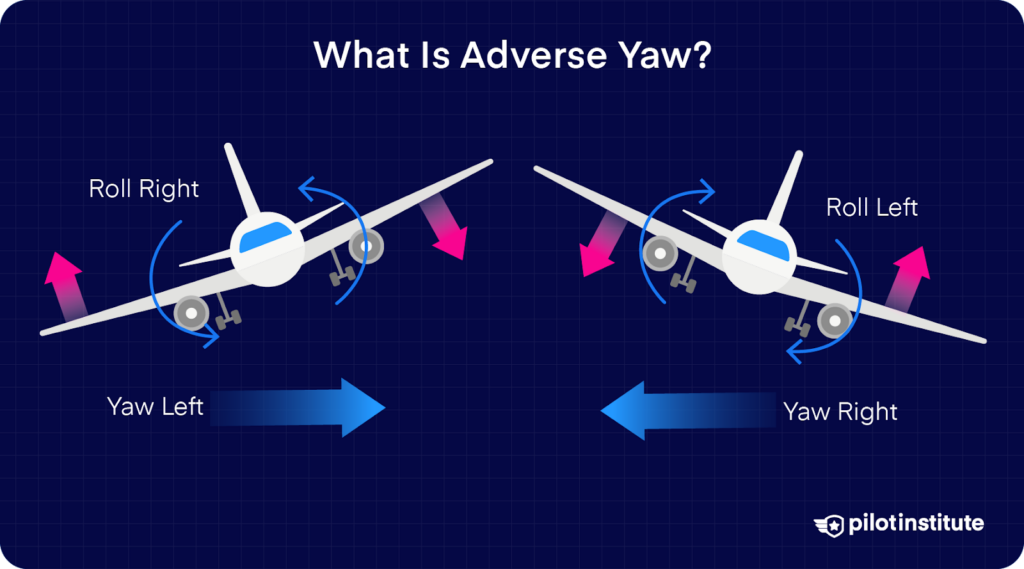
What Is Adverse Yaw?
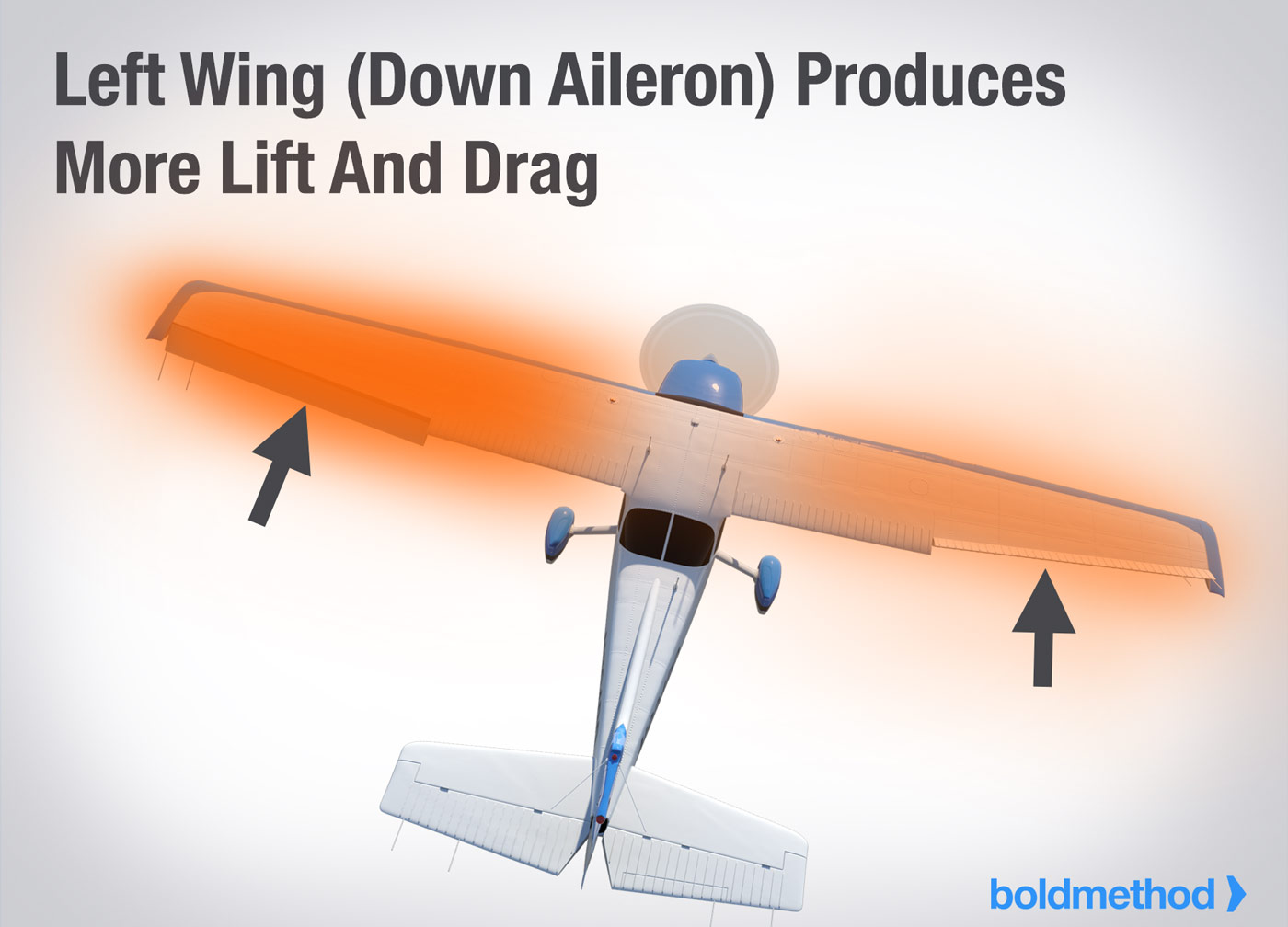
Adverse yaw happens when a plane turns and the nose moves opposite the turn. This happens because the wing with the lowered aileron creates more drag. The drag pulls the plane’s nose away from the turn direction. Pilots must correct this with the rudder to keep the plane balanced.
How Differential Ailerons Help
Differential ailerons move up and down by different amounts. The aileron on the rising wing moves more than the one on the lowering wing. This reduces drag on the rising wing and lessens adverse yaw. The plane turns more smoothly without needing extra rudder input.
Benefits Of Reduced Adverse Yaw
Flying feels easier and safer with less adverse yaw. The pilot uses less effort to keep the plane steady. The plane responds faster and more naturally to control inputs. This improves overall handling and comfort during flight.
Credit: www.boldmethod.com
Enhanced Flight Stability
Enhanced flight stability is a key advantage of differential ailerons. These ailerons help keep the airplane steady during turns. They reduce unwanted rolling and improve control. Pilots find flying smoother and safer with differential ailerons.
How Differential Ailerons Reduce Adverse Yaw
Differential ailerons move differently on each wing. The upward-moving aileron moves more than the downward one. This reduces drag on the rising wing. Less drag means less adverse yaw. The airplane turns more smoothly without slipping sideways.
The different movement of ailerons improves roll response. The airplane rolls more precisely in the desired direction. Pilots can make smaller corrections and maintain balance easier. This control helps during tight turns and rough air.
Better Handling In Turbulence
Differential ailerons help the airplane stay stable in turbulent air. They reduce sudden rolling caused by wind gusts. The smoother control increases passenger comfort. It also lowers pilot workload during bumpy conditions.
Fuel Efficiency Advantages
Differential ailerons help improve fuel efficiency in aircraft. They reduce drag during turns, which lowers fuel use. This makes flights more economical and better for the environment.
By controlling the airflow smoothly, differential ailerons reduce wasted energy. This means engines do not work as hard. The result is less fuel burned on each flight.
Reduced Drag During Turns
Differential ailerons move the upward-deflecting aileron more than the downward one. This balances the lift and drag forces better. The airplane experiences less resistance while turning. Less drag means the engine uses less power.
Smoother Control Surfaces
Smoother movements of ailerons cut down on air turbulence. Turbulence causes extra drag and fuel waste. Differential ailerons keep airflow steady around the wings. This steady flow helps save fuel during all flight phases.
Lower Engine Power Requirement
With less drag, the engine does not need to push as hard. Lower power use means less fuel consumption. This advantage is especially important during long flights and tight maneuvers.

Credit: www.youtube.com
Impact On Pilot Workload
The impact of differential ailerons on pilot workload is significant. These ailerons help make flying easier and safer. Pilots can focus more on other tasks without constant correction. This reduces stress and tiredness during flight. The control feels smoother and more natural.
Flying becomes less demanding with differential ailerons. Pilots spend less time fighting the controls. This allows them to keep better attention on navigation and communication. The workload decreases, especially during turns and turbulence. It improves overall flight safety and comfort.
Reduced Control Forces
Differential ailerons lower the force pilots need to turn the aircraft. The upward-moving aileron moves more than the downward one. This reduces drag and adverse yaw. Pilots feel less resistance on the control stick or yoke. It makes handling the plane easier and less tiring.
Improved Coordination
These ailerons help keep the plane balanced during turns. They reduce the need for constant rudder input. Pilots can maintain smooth, coordinated turns with less effort. This reduces the chance of mistakes and discomfort. Flying becomes more predictable and controlled.
Less Pilot Fatigue
Lower control forces and better coordination reduce pilot fatigue. Flying for long hours feels less exhausting. Pilots can stay alert and responsive throughout the flight. This is especially important on long trips or in challenging conditions. Fatigue reduction increases safety and performance.
Applications In Modern Aircraft
Differential ailerons help pilots control aircraft better. They reduce drag and improve handling during turns. Modern planes use them to increase safety and comfort. Pilots experience smoother and more precise control. This makes flying easier and more efficient.
Different types of aircraft benefit from differential ailerons. Small private planes, commercial jets, and military aircraft all use this system. It adapts well to different flight speeds and conditions. This versatility makes it a popular choice in aviation design.
General Aviation Aircraft
Small planes often use differential ailerons for better control. They reduce adverse yaw during turns. This helps beginner pilots manage the aircraft more easily. It also lowers stress on the plane’s structure.
Commercial Airliners
Large passenger jets use differential ailerons to improve fuel efficiency. They allow smoother turns with less drag. This reduces fuel consumption and operating costs. Passengers enjoy a more stable flight experience.
Military Aircraft
Military planes need quick and precise control. Differential ailerons provide faster roll response. Pilots can perform sharp maneuvers safely. This gives an advantage during combat and training missions.
Unmanned Aerial Vehicles (uavs)
UAVs use differential ailerons for better flight control. They help drones maintain stability in windy conditions. This improves mission success and data accuracy. The technology supports both hobby and professional UAVs.
Comparison With Traditional Ailerons
Differential ailerons and traditional ailerons both control an airplane’s roll. They work differently to change the wing’s angle. This difference affects how the plane handles and feels in flight.
Traditional ailerons move symmetrically but in opposite directions. One aileron goes up while the other goes down. This creates a rolling motion but also causes extra drag and unwanted forces.
Differential ailerons move unevenly. The upward-moving aileron moves more than the downward one. This reduces drag and improves control, especially during turns.
Improved Control And Stability
Differential ailerons reduce adverse yaw. This happens when the plane’s nose moves opposite to the turn. Traditional ailerons increase adverse yaw, making steering harder. Pilots find differential ailerons easier to handle during tight turns.
Less Drag And Better Efficiency
Traditional ailerons create more drag because both sides move equally. Differential ailerons lower drag by limiting downward deflection. This saves fuel and improves overall flight efficiency.
Smoother Flight Experience
Differential ailerons provide smoother roll control. The plane reacts gently to pilot inputs. Traditional ailerons can cause sudden movements and discomfort for passengers.
Reduced Structural Stress
Unequal movement in differential ailerons reduces wing stress. Traditional ailerons can cause more strain during aggressive maneuvers. This helps prolong the life of the aircraft components.
Credit: pilotinstitute.com
Frequently Asked Questions
What Are Differential Ailerons In Aircraft?
Differential ailerons are control surfaces designed to move asymmetrically. They reduce adverse yaw by deflecting more upward than downward during turns. This improves aircraft stability and handling, making turns smoother and safer.
How Do Differential Ailerons Improve Flight Control?
They minimize adverse yaw by balancing drag on wings during turns. This results in more coordinated and efficient maneuvers. Pilots experience better control with less rudder input needed, enhancing overall flight precision.
Why Are Differential Ailerons Preferred Over Standard Ailerons?
Differential ailerons reduce drag and adverse yaw effects. They enhance roll response and improve aircraft stability during turns. This leads to safer, smoother flying experiences, especially in training and aerobatic aircraft.
Can Differential Ailerons Enhance Aircraft Performance?
Yes, by reducing drag and improving roll control, differential ailerons boost performance. They allow quicker, more precise turns and reduce pilot workload. This contributes to better fuel efficiency and safer handling.
Conclusion
Differential ailerons improve airplane control and safety. They reduce drag and prevent unwanted rolling. Pilots feel smoother and easier handling during turns. These ailerons help balance forces on wings effectively. Using them leads to better fuel efficiency in flights. Overall, differential ailerons make flying more stable and comfortable.
A small design change with big benefits. Pilots and engineers both value their simple function. Safe, smooth, and efficient flying starts with good control.